China is the world's largest manufacturer and exporter of pulp molding machines, offering unbeatable combinations of cost, technology, production capacity, and customization flexibility. For egg tray producers, packaging manufacturers, and entrepreneurs around the world, importing a pulp molding machine from China can be the difference between a competitive, profitable operation and an overpriced, underperforming one. But the import process — from supplier selection and price negotiation to shipping, customs clearance, installation, and after-sales support — can be complex and intimidating, especially for first-time buyers. Missteps can lead to overpayment, quality disputes, shipping delays, customs issues, or machines that fail to perform as promised. In this complete buyer's guide, we walk you through every step of importing a pulp molding machine from China — from defining your requirements and vetting suppliers through to installation, commissioning, and ongoing support — so you can navigate the process with confidence and avoid the costly mistakes that plague inexperienced importers.
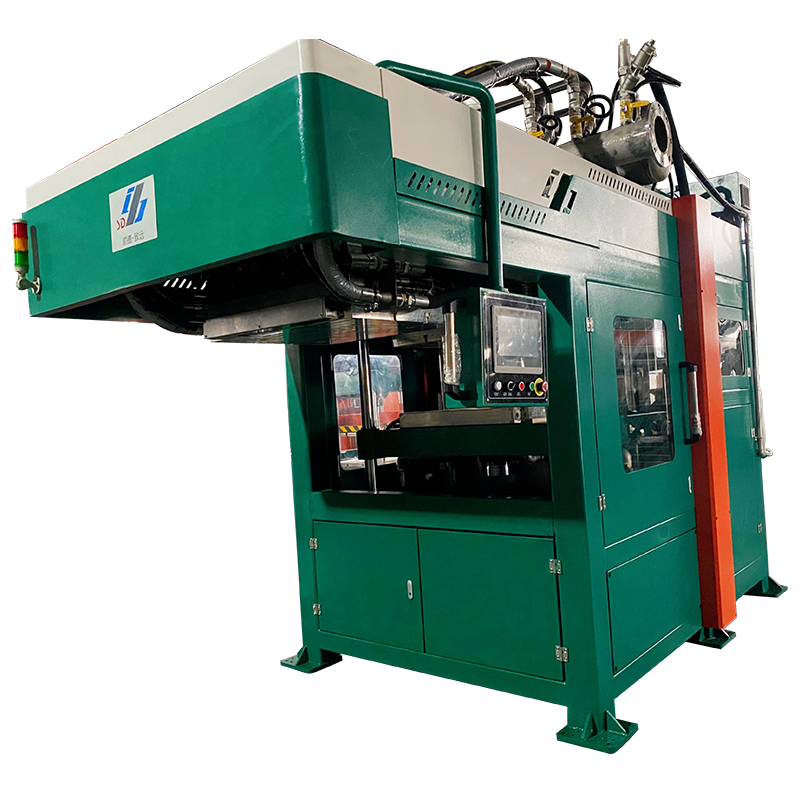
Why Import Pulp Molding Machines from China?
Before diving into the process, it is worth understanding why Chinese pulp molding machines dominate the global export market — and what advantages they offer over machines sourced from Europe, North America, or other manufacturing regions:
- Competitive pricing: Chinese machines typically cost 30–60% less than equivalent European or American machines, while delivering comparable performance. This price advantage comes from lower labor costs, mature supply chains, high domestic competition, and economies of scale — not from lower quality.
- Complete supply chain: China has a fully integrated pulp molding machine supply chain — from steel fabrication and CNC machining to electrical components, pneumatic systems, and mold manufacturing — all concentrated in a few industrial clusters (Guangdong, Shandong, Jiangsu, Zhejiang). This enables faster production, lower component costs, and easier customization.
- Proven export experience: Leading Chinese pulp molding machine manufacturers have been exporting to customers in Southeast Asia, the Middle East, Africa, Europe, the Americas, and Oceania for decades. They understand export documentation, international shipping, installation abroad, and English-language technical support — these are no longer the challenges they once were.
- Customization flexibility: Chinese manufacturers are generally more flexible and responsive to custom requirements (specific capacities, special molds, unique configurations, modified control systems) than larger, more rigid Western manufacturers who offer mostly standard catalog products.
- Rapid technological advancement: Chinese pulp molding technology has advanced rapidly over the past decade. Modern Chinese machines incorporate PLC control, variable-speed drives, servo systems, robotic automation, and energy-efficient designs that compete on performance with any Western machine — at a fraction of the cost.
- Growing quality standards: As Chinese manufacturers compete for export markets and supply global brands, quality control has improved dramatically. Leading manufacturers now offer CE certification, ISO quality management systems, third-party inspection options, and comprehensive warranties.
Of course, not all Chinese manufacturers are equal — quality, service, and reliability vary enormously across the industry. The challenge is not whether to buy from China (the value proposition is clear) but how to choose the right supplier and navigate the import process successfully. That is what this guide addresses.
Step 1: Define Your Requirements Before Contacting Suppliers
The single most common mistake buyers make is contacting suppliers before clarifying their own requirements. This leads to vague quotations, wasted time, and ultimately, the wrong machine. Before you send your first inquiry, define the following:
- What product will you make? Egg trays (30-cell standard?), egg cartons, industrial packaging, tableware, or other molded pulp products? The product determines the type of forming machine, mold configuration, and drying system required.
- What is your target production volume? Trays per hour or pieces per day? This determines machine capacity — from 800 trays/hour for entry-level semi-automatic to 6,000+ trays/hour for high-capacity fully automatic lines.
- What is your budget? Have a realistic budget range before contacting suppliers. This helps suppliers recommend the right configuration rather than wasting time presenting machines far outside your price range. Remember to include shipping, customs, installation, and working capital in your total budget — not just the machine price.
- What is your facility like? Floor space available, power supply (voltage, phase, capacity), water supply, ceiling height, access for delivery and installation. Suppliers need this information to recommend the right machine and prepare a facility layout.
- What is your labor situation? Local wage levels and availability of operators determine whether a semi-automatic or fully automatic machine makes financial sense. In regions with high labor costs, the labor savings from automation pay for the machine premium quickly.
- What certifications do you need? CE marking for EU export, FDA food contact certification for food packaging, or other local regulatory requirements. Not all manufacturers hold all certifications — confirm early.
Having these details ready signals to suppliers that you are a serious, professional buyer — and it will result in faster, more accurate, and more competitive quotations.
Step 2: Research and Shortlist Suppliers
Once your requirements are clear, the next step is to identify and shortlist potential Chinese suppliers. Key sources include:
- Online B2B platforms: Alibaba.com, Made-in-China.com, and GlobalSources.com are the primary platforms for finding Chinese industrial equipment manufacturers. Use detailed search filters, check supplier verification status (Gold Supplier, Verified Manufacturer), and read customer reviews.
- Search engines: Google searches for terms like "pulp molding machine manufacturer China," "egg tray machine supplier China," "molded pulp equipment factory" will return supplier websites. Visit their websites to assess professionalism, product range, certifications, and export experience.
- Trade shows: International trade shows are the best way to see machines running in person and meet supplier representatives face-to-face. Key shows include China International Packaging Industry Exhibition (ChinaPack), Guangzhou Paper Packaging Exhibition, and exhibitions in your own market where Chinese manufacturers exhibit.
- Industry referrals: Ask other pulp molding operators in your region or industry association for supplier recommendations. Firsthand references from people who have actually imported the machine are invaluable.
- Direct factory visits: If you have the opportunity to visit China, schedule factory visits to your shortlisted suppliers. Seeing the facility in person — the production floor, CNC workshop, quality control, finished product testing — is the most reliable way to assess a supplier's real capabilities.
Aim to shortlist 5–10 suppliers initially, then narrow to 2–3 based on website quality, product range, certifications, export experience, and responsiveness. Do not shortlist based on price alone — the cheapest quotation often signals hidden problems.
Step 3: Evaluate Suppliers and Request Quotations
Contact your shortlisted suppliers with a detailed inquiry that includes all your requirements (product, capacity, facility, power, certifications). Evaluate each supplier based on:
- Response quality: A serious, professional supplier will respond within 24–48 hours with a detailed, well-structured reply that addresses all your questions and asks relevant follow-up questions. Vague, generic replies or delayed responses are warning signs.
- Technical competence: Does the supplier ask informed technical questions (pulp consistency, product weight, drying requirements, local power supply)? Do they provide technical specifications that make sense? A supplier that agrees with everything you say without asking technical questions may not understand the technology.
- Product range and customization: Can they supply a complete line (pulper, forming machine, hot press, drying system, trimming machine) as an integrated system? Do they have in-house mold design and manufacturing? A supplier that only makes one component and outsources the rest will have quality and coordination issues.
- Export experience: Ask how many machines they have exported, to which countries, and whether they have customers in your region or industry. Request references from existing export customers — a reputable supplier should be willing to provide 2–3 references.
- Certifications and quality: What certifications do they hold (CE, ISO 9001, SGS, TUV)? Can they provide third-party inspection reports? What is their warranty policy?
- Communication and English proficiency: You will be communicating with this supplier for months during the purchasing process and years for support. If their English is poor or communication is inconsistent now, it will only get worse after you place an order.
Request detailed, itemized quotations from your top 2–3 suppliers. A proper quotation should include: machine model and configuration, all major components and brands, production capacity, power requirements, dimensions and weight, delivery time, payment terms, warranty, price (FOB or CIF), and what is included (installation, training, spare parts, documentation).
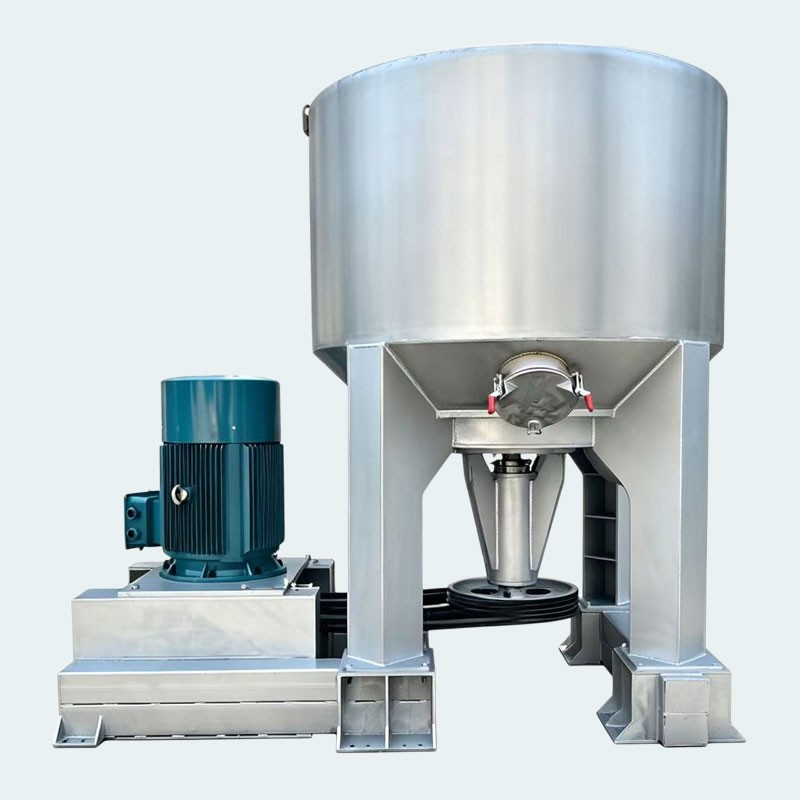
Step 4: Negotiate Price and Terms
Once you have competitive quotations, you can negotiate. Key areas to negotiate:
- Price: There is usually 5–15% negotiation room on Chinese industrial equipment prices, especially for larger orders or repeat purchases. Use competitor quotations as leverage, but do not push too hard — a price that is too good may mean corner-cutting on quality or service.
- Payment terms: Standard terms are 30% deposit (T/T) and 70% balance before shipment. Some suppliers accept L/C (Letter of Credit) at sight for larger orders, which provides additional buyer protection. Never pay 100% upfront.
- Delivery time: Standard delivery is typically 30–60 days from deposit receipt. Negotiate a firm delivery date with penalty clauses for delay (e.g., 0.5% of order value per week of delay).
- Warranty: Standard warranty is 12 months from shipment or installation. Negotiate for 18–24 months if possible. Clarify what is covered (parts only? labor? travel?) and what is excluded (consumables, operator error).
- Installation and training: Confirm whether installation and operator training are included in the price, or charged separately. Who pays for the technician's travel, accommodation, and visa? How many days of installation support are included?
- Spare parts package: Negotiate a free initial spare parts package (seals, belts, filters, common electrical parts) included with the machine. This saves you time and money sourcing parts immediately after installation.
- Documentation: Confirm that you will receive complete documentation — operation manual, electrical diagrams, pneumatic diagrams, parts catalog, CE declaration (if applicable), packing list, commercial invoice, bill of lading — in English.
Step 5: Place Order and Arrange Payment
Once terms are agreed, sign a formal sales contract (Sales Contract or Proforma Invoice) that clearly specifies all terms — machine configuration, price, delivery date, payment terms, warranty, penalties, and dispute resolution. Never rely on verbal agreements or WeChat/WhatsApp messages alone.
Payment should be made via telegraphic transfer (T/T) to the supplier's company bank account — never to a personal account, never via Western Union, and never via crypto currency. Verify the bank account details match the company name on the contract. For larger orders, consider using a confirmed irrevocable Letter of Credit (L/C) through a reputable bank, which provides secure payment only against documented shipment. Alibaba Trade Assurance can also provide limited buyer protection for orders placed through the platform.
After paying the deposit, the supplier begins production. Stay in regular contact (every 1–2 weeks) to track progress. Request photos or video updates of production stages — frame fabrication, assembly, wiring, testing. A supplier that refuses to provide production updates is a red flag.
Step 6: Production, Quality Inspection, and Shipping
Before the machine ships, arrange a pre-shipment quality inspection. Options include:
- Supplier inspection: The supplier should run the machine for several days before shipment, testing all functions, production output, and product quality. Request a video of the machine running with your actual product (using a sample mold or your product type).
- Third-party inspection: For large or high-value orders, hire an independent inspection company (SGS, Bureau Veritas, TUV, or Intertek) to inspect the machine at the factory before shipment. The inspection typically covers product specifications, workmanship, safety, and running test. This costs $300–$500 but provides independent verification.
- Your own visit: If feasible, visit the factory yourself to witness the machine running and inspect quality before shipment.
Once inspection is passed and the balance payment is made, the machine is packed for export. Standard packing is fumigated wooden crates or containers with moisture protection and foam padding. Confirm the shipping term — FOB (Free on Board, you arrange shipping) or CIF (Cost, Insurance, Freight, supplier arranges shipping to your nearest port). For first-time importers, CIF is simpler and less risky, though slightly more expensive. For experienced importers, FOB with your own freight forwarder may be cheaper.
Shipping time varies: 15–25 days to Southeast Asia, 25–35 days to the Middle East, 30–40 days to Europe, 35–45 days to the US West Coast, and 40–50 days to the US East Coast or South America. Track the shipment via the bill of lading number with the shipping line.
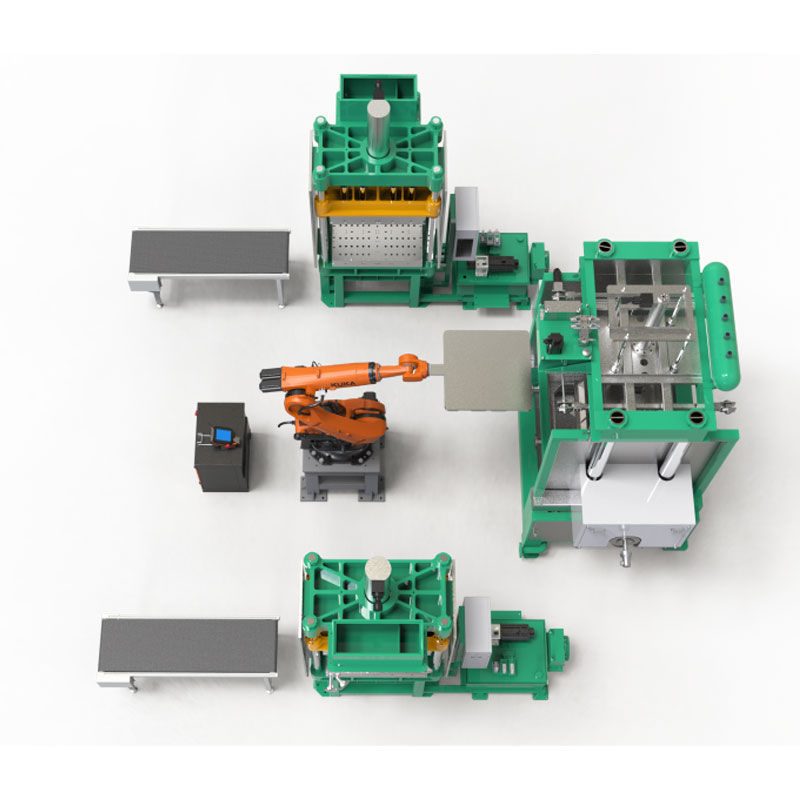
Step 7: Customs Clearance and Delivery
When the shipment arrives at your port, you will need to clear it through customs. Unless you are an experienced importer, hire a licensed customs broker or freight forwarder in your country to handle this — the fees are modest and the process is complex (tariff classification, customs valuation, import permits, safety inspections). Key documents you will need:
- Bill of Lading (B/L)
- Commercial Invoice
- Packing List
- CE Declaration of Conformity (if importing to EU)
- Import license or permit (if required for your product category)
- Certificate of Origin (for preferential tariff rates, if applicable)
Research your country's import duties and taxes for industrial machinery (HS code typically 8477 or 8479 for pulp molding equipment). Many countries offer reduced or zero import duty for production machinery (especially for agricultural equipment like egg tray machines) — your customs broker can advise. Budget for duties, VAT, customs broker fees, port handling fees, and inland delivery — these typically add 10–25% to the landed cost of the machine.
After customs clearance, arrange truck delivery to your facility. Ensure your facility is ready: the foundation is laid, power and water are connected, and there is adequate access for a truck and crane to unload the machine.
Step 8: Installation, Training, and Commissioning
Once the machine arrives, your supplier should arrange for a technician to travel to your facility for installation and commissioning. The process typically takes 5–15 days depending on machine complexity:
- Unloading and positioning: Unload the machine from the truck using a crane or forklift, and position it on the prepared foundation. Level the machine precisely.
- Mechanical assembly: Assemble major components if shipped disassembled. Connect all mechanical links, belts, chains, and drives.
- Electrical and pneumatic connection: Connect main power, control cabinet wiring, sensors, and pneumatic air lines. Verify voltage and phase match.
- Testing and commissioning: Test each system individually (hydraulics, pneumatics, vacuum, heating, control system), then run a complete production test. Adjust parameters to achieve optimal product quality and output.
- Operator training: Train your operators on machine operation, normal startup/shutdown, routine maintenance, basic troubleshooting, and safety procedures. Training should be hands-on, with operators actually running the machine.
- Handover: Final acceptance test, sign off on commissioning, hand over documentation and spare parts. The warranty period typically starts from the commissioning date.
Clarify in advance who pays for the technician's international travel (flights, visa, accommodation, meals, local transport) and how many days are included. Additional days are charged at a daily rate (typically $150–$300/day). A well-prepared facility and trained local helpers will minimize installation time and cost.
Common Pitfalls and How to Avoid Them
- Choosing the cheapest quotation: The lowest price often means thinner steel, generic components, lower-quality molds, and minimal after-sales support. A machine that costs $10,000 more upfront but lasts 15 years with minimal downtime is far cheaper than a $10,000-cheaper machine that breaks down constantly. Evaluate total cost of ownership, not just purchase price.
- Not verifying the supplier's factory: Trading companies (not factories) often present themselves as manufacturers, adding margin and reducing quality control. Always verify the supplier is a real factory — ask for factory photos, video tours, or (ideally) visit in person. On Alibaba, check the "Verified Manufacturer" status and factory audit reports.
- Vague machine configuration: A quotation that says "pulp molding machine" without specifying brands of electrical components, pumps, valves, motors, and molds is useless. Insist on a detailed, itemized BOM (Bill of Materials) showing all major components and their brands. Generic Chinese brands work, but reputable international brands (Siemens, Mitsubishi, SMC, Festo, NSK, SKF) mean better quality and easier spare parts sourcing globally.
- Ignoring after-sales support: The cheapest machine from a supplier that cannot provide English technical support, spare parts, or remote troubleshooting will become very expensive after the sale. Confirm the supplier's support capability before ordering — ask about response time, spare parts shipping, remote access, and whether they have any customers in your region.
- Underestimating total landed cost: The machine price is only the beginning. Budget for shipping (5–15% of machine value), customs duties and taxes (10–25%), inland delivery, installation technician travel ($2,000–$5,000), molds and spare parts, and initial raw material inventory. Total landed cost is typically 30–50% above the FOB machine price.
- Not having the facility ready: Delayed facility preparation means the installation technician waits around (at your cost) while the machine sits uncrated, and your production start date slips. Prepare your facility — foundation, power, water, ventilation, floor space — before the machine ships.
- Insufficient operator training: New operators who are not properly trained will misuse the machine, produce defective products, and cause damage. Take full advantage of the supplier's on-site training period, and document everything. A well-trained operator is your best maintenance investment.
Why Zhiyuan Is Your Reliable Chinese Pulp Molding Machine Supplier
Foshan Shunde Zhiyuan Pulp Molding Equipment Co., Ltd. is a leading pulp molding machine manufacturer based in Shunde, Foshan — China's renowned home of industrial machinery manufacturing. With over 20 years of experience and a 38-acre integrated production facility, we have exported machines to customers across Southeast Asia, the Middle East, Africa, Europe, and the Americas. What makes us a reliable import partner:
- Real factory, not a trading company: Our 38-acre facility includes steel fabrication, CNC machining, electrical panel assembly, machine assembly, and testing — all under one roof. You are buying directly from the manufacturer, with no middleman markup.
- Complete product range: From entry-level semi-automatic machines to high-capacity fully automatic production lines — forming machines, hot presses, pulpers, vacuum systems, trimming machines, and molds. We supply complete turnkey systems, not just individual components.
- In-house mold manufacturing: Our CNC workshop designs and manufactures all molds in-house, with custom design capability and readily available spares. Molds are a critical consumable — sourcing them from the same manufacturer as your machine ensures fit, quality, and fast replacement.
- Export-proven process: We have refined our export process over hundreds of international orders — detailed quotations, production updates, pre-shipment testing videos, professional export packing, complete documentation, and on-site installation and training worldwide.
- Branded components: We use reputable electrical, pneumatic, and mechanical components from internationally recognized brands — ensuring reliability and global spare parts availability. Our one water and one heat automaton and forming system are built with quality components for long service life.
- English-speaking technical support: Our export team communicates fluently in English, with engineers who can provide remote troubleshooting, video support, and detailed technical documentation. We do not rely on language-challenged salespeople as your only point of contact.
- Transparent pricing and terms: Itemized quotations with no hidden costs, flexible payment terms (T/T or L/C), firm delivery dates, and clear warranty terms. What you see is what you get.
- Product manufacturing experience: Because we also run our own pulp product factory, our machines are designed based on real production experience — we know what works on the factory floor because we use it every day.
- Factory visits welcome: We warmly welcome customers to visit our facility in Shunde, see our machines running in production, and meet our engineering and sales teams. Many of our long-term customers started with a factory visit before placing their first order.
Explore our complete equipment range to see our machine models, specifications, and configurations. Whether you are a first-time buyer importing your first pulp molding machine or an established producer looking to expand or upgrade, our team can guide you through every step — from initial consultation and machine selection through to installation, training, and ongoing support.
Ready to start your import journey? Contact our export team today with your product requirements, target capacity, facility details, and budget. We will provide a detailed, itemized quotation, machine configuration recommendation, estimated timeline, and total landed cost estimate — all free of charge, with no obligation. We also welcome factory visits to our Shunde facility, where you can see our machines running, meet our engineers, and experience the Zhiyuan difference firsthand. Importing a pulp molding machine from China does not have to be risky or complicated — with the right partner, it is a straightforward, rewarding investment in your business's future.





 +86 189 2452 1063
 s-dzhiyuan@163.com
 18924521063