


News

News
With global demand for sustainable egg packaging surging and single-use plastic bans rolling out across continents, more entrepreneurs and packaging distributors are asking the same question: how much does an egg tray making machine cost? The answer is not straightforward — prices range from under $10,000 for basic semi-automatic units to over $100,000 for fully automated turnkey production lines. In this guide, we break down every factor that influences egg tray machine pricing, hidden costs you need to budget for, and how to calculate your return on investment.
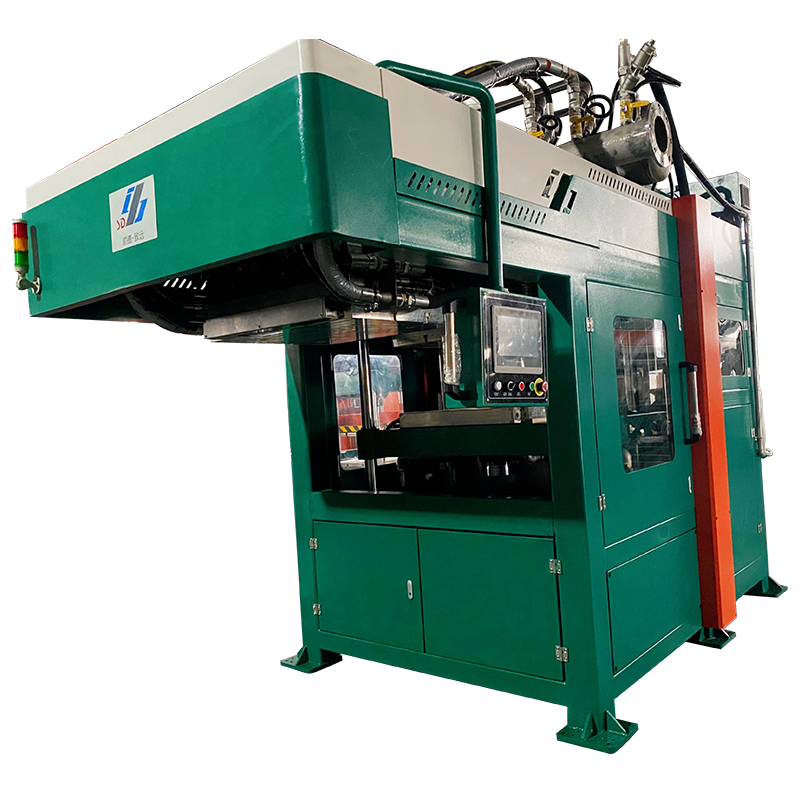
Egg tray machines are generally categorized by automation level and production capacity. Understanding these categories is the first step to budgeting correctly.
The entry-level option, a semi-automatic forming machine, handles the pulp molding process but requires manual transfer of wet trays to the drying oven and manual operation of the hot press. Output typically ranges from 800 to 2,000 egg trays per hour (depending on mold size). This is ideal for small startups, farms producing for local distribution, or businesses with limited capital and available labor.
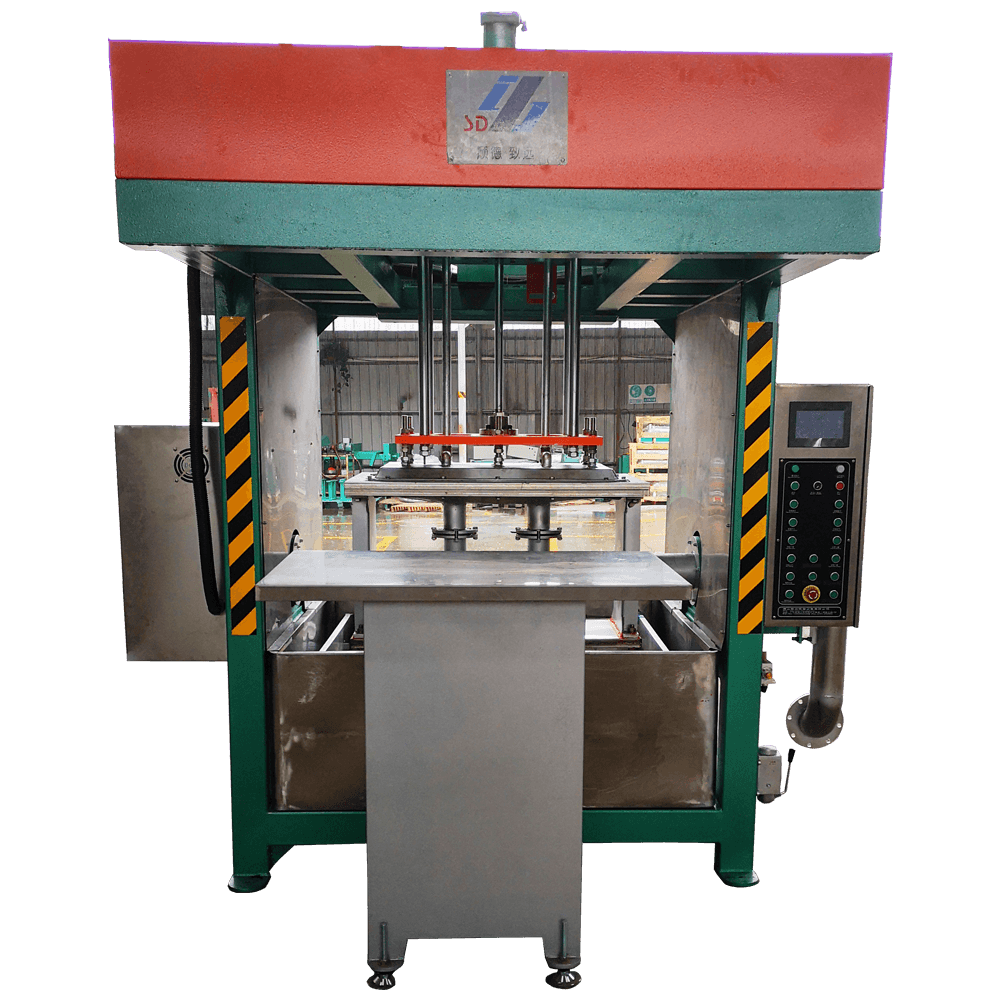
The automatic wet pressing and hot pressing integrated machine combines forming and hot-press drying into a single automated unit, significantly reducing labor requirements and floor space. With capacities of 1,500–3,000 trays per hour, this mid-range machine is the sweet spot for medium-sized egg farms and regional packaging distributors looking to scale without investing in a full turnkey line.
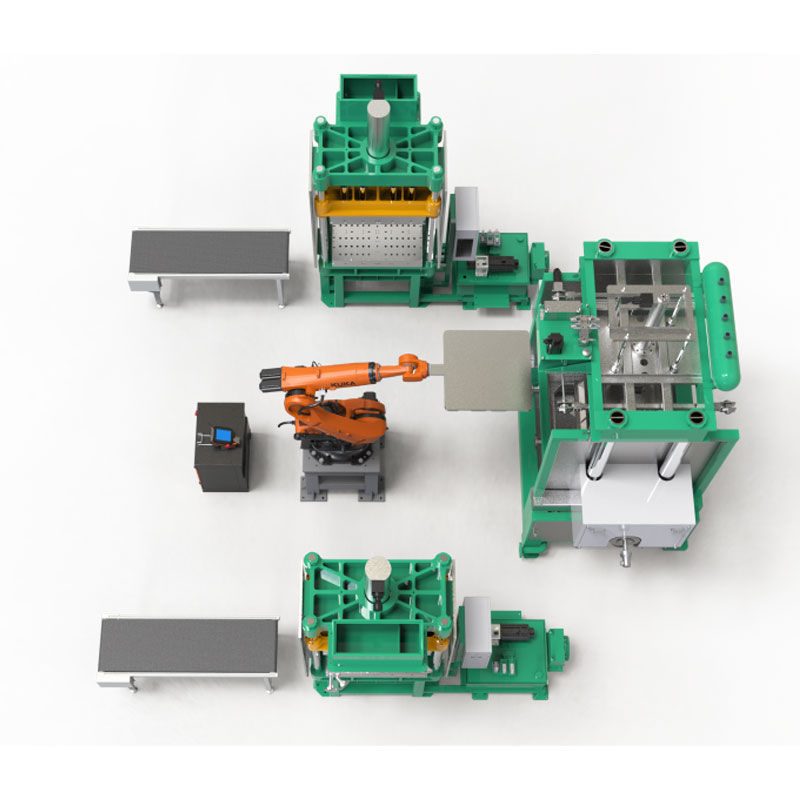
The one water and one heat automaton represents a high-efficiency configuration where one forming station works in tandem with one hot-press station, operated by a robotic arm for fully automatic transfer. Available in single-head and double-head configurations, these machines deliver 2,000–4,000 trays per hour with minimal manual intervention. This is the preferred choice for established producers targeting wholesale and export markets.
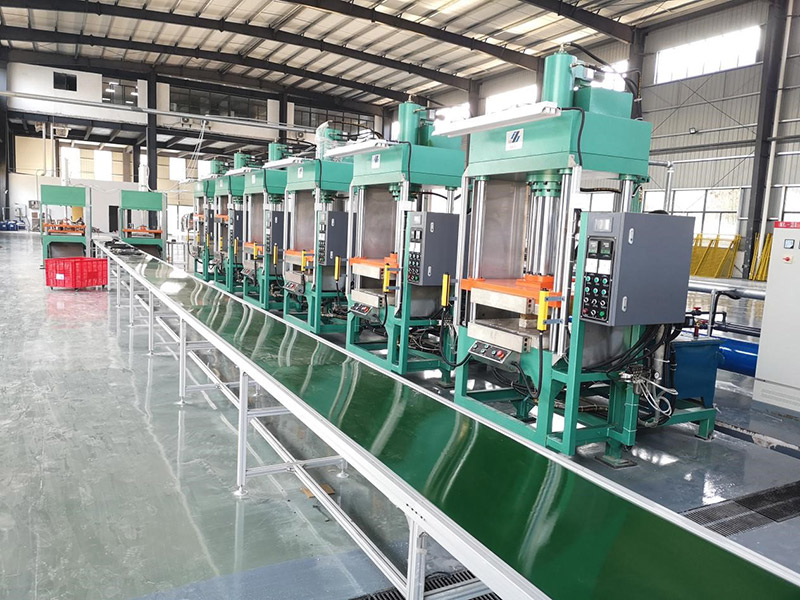
A full forming system typically includes one molding machine, two to four hot press machines, a robotic arm, pulp preparation equipment (pulper, vacuum system, cleaner), and a trimming machine. These turnkey lines produce 3,000–6,000+ trays per hour and are designed for high-volume industrial production, large-scale egg farms, and dedicated pulp packaging manufacturers supplying multiple regions.
Capacity is the single biggest price driver. A machine producing 1,000 trays/hour costs a fraction of one producing 5,000 trays/hour. When evaluating capacity, consider not just current demand but your projected growth 3–5 years out — upgrading later often costs more than buying slightly above current needs.
Each step you automate — robotic transfer, automatic pulp feeding, integrated drying, automatic trimming — adds to the upfront cost but reduces long-term labor expenses. A fully automatic line may cost 2–3x more than a semi-automatic one but can operate with 70% fewer workers.
Egg tray molds are custom-fabricated, typically from aluminum or stainless steel. A standard 30-egg cavity mold costs $1,500–$4,000, while custom designs (unusual cavity counts, branded embossing, specialty shapes) can run much higher. Most machines come with 1–2 molds; additional molds are an extra expense.
Hot press machines come in pneumatic, hydraulic, and servo-hydraulic variants, with different tonnages and platen sizes. A system with four hot presses costs significantly more than one with two, but also delivers proportionally higher output since drying is typically the bottleneck in pulp molding.
The machine sticker price is only part of the total investment. Be sure to account for these additional costs:
Mold costs: $1,500–$5,000 per mold set, and you may need spares.
Installation and commissioning: Typically 5–10% of machine cost, plus technician travel expenses if the supplier is international.
Shipping and freight: These machines are heavy (2–10+ tons), so sea freight and inland transport can add $2,000–$8,000.
Facility preparation: You need a concrete floor, adequate electrical supply (380V/3-phase, 50–150kW depending on model), water supply, and drainage. Budget $5,000–$20,000 for facility prep.
Raw materials: Waste paper or recycled pulp costs $150–$300 per ton, and you need consistent supply.
Training: Operator and maintenance training is usually included but may require your team to travel to the factory.
A typical mid-range automatic machine producing 2,000 trays/hour, running 16 hours/day for 25 days/month, produces approximately 800,000 trays/month. At a wholesale selling price of $0.03–$0.06 per tray (depending on region and quality), monthly revenue ranges from $24,000 to $48,000. After deducting raw material, labor, utilities, and maintenance costs (typically 40–60% of revenue), net monthly profit ranges from $9,600 to $28,800.
For a $40,000 machine, this translates to a payback period of 1.5–4 months under optimal conditions. Even for a $100,000 turnkey line, payback is typically achievable within 6–12 months. Of course, these numbers depend heavily on your local market pricing, labor costs, and ability to secure consistent orders.
Price is important, but choosing the wrong supplier to save a few thousand dollars can cost far more in downtime, defective products, and lack of after-sales support. Look for suppliers with:
Integrated manufacturing capability: Suppliers who design and build their own machines (not just trading companies) can offer better quality control and custom configuration.
Proven export experience: International shipping, customs documentation, and overseas installation require experience. Ask for references in your region.
Comprehensive after-sales service: Look for warranty coverage, remote technical support, availability of spare parts, and on-site installation assistance.
Transparent pricing: Be wary of quotes that seem too good to be true — they often omit critical components like the vacuum system, pulper, or control cabinet, which you will then be charged extra for.
Factory visit option: A reputable supplier will welcome you to visit their facility and see machines running in production.
Foshan Shunde Zhiyuan Pulp Molding Equipment Co., Ltd. is a specialized manufacturer of pulp molding equipment with over 20 years of experience, located in Shunde — China's renowned machinery manufacturing hub. As both a machine manufacturer and a pulp product producer, Zhiyuan offers unique advantages:
Full in-house manufacturing: From CNC machining of molds to final assembly, every step is controlled in our 38-acre facility, ensuring consistent quality and competitive direct-factory pricing.
Complete product range: From entry-level semi-automatic machines to high-capacity turnkey forming systems, we have a configuration for every budget and production scale.
OEM/ODM capability: Custom mold design, special machine configurations, and branded production lines are all supported.
Export-proven service: We supply customers across multiple continents with full installation support, operator training, and readily available spare parts.
Real production insight: Because we also produce molded pulp products ourselves, our machines are designed based on real-world production experience — not just theory.
Ready to get a precise quotation for your egg tray making machine? Contact our team today with your target capacity, available space, and budget, and we will recommend the optimal configuration with a transparent, itemized price quote. You can also explore our full range of pulp molding equipment on our website.
 +86 189 2452 1063
 s-dzhiyuan@163.com
 18924521063


Online Message

Follow Us


Top
