For decades, expanded polystyrene (EPS) foam has been the default choice for industrial protective packaging — cushioning electronics, appliances, automotive parts, medical devices, and fragile components during shipping. But the era of EPS foam is ending. Bans on single-use polystyrene are spreading across countries and states, corporate sustainability targets are demanding plastic-free supply chains, and consumers and regulators are increasingly intolerant of foam's environmental toll. Molded pulp industrial packaging has emerged as the leading sustainable alternative — offering comparable or superior protection, full biodegradability, and compliance with tightening regulations. In this guide, we examine why EPS foam is being phased out, how molded pulp industrial packaging compares across every performance dimension, and how manufacturers and brands can make the transition successfully.

Why EPS Foam Is Being Phased Out
EPS foam — commonly known by the brand name Styrofoam — is made from polystyrene beads expanded with pentane blowing agents. It is lightweight, inexpensive, and an effective cushioning material, which is why it became ubiquitous. But its environmental drawbacks are severe and increasingly unacceptable:
- Non-biodegradable: EPS foam can take 500+ years to decompose in a landfill, breaking down into microplastics that persist in the environment indefinitely.
- Low recycling rate: Despite being technically recyclable, EPS foam has an actual recycling rate of less than 10% in most regions due to contamination, high transportation cost (it is 95% air), and lack of recycling infrastructure. The vast majority ends up in landfills or oceans.
- Toxic production: Styrene, the monomer used to make polystyrene, is classified as a possible human carcinogen, and pentane blowing agents are volatile organic compounds (VOCs) that contribute to air pollution and ground-level ozone.
- Regulatory bans: Over 120 cities and counties in the US, plus countries including Canada, France, Germany (partial), India, and Taiwan, have enacted bans or restrictions on single-use EPS foam food containers and packaging. The EU has classified EPS as a priority plastic under its Single-Use Plastics Directive.
- Corporate elimination: Major brands including IKEA, Dell, HP, Samsung, Sony, and dozens of others have committed to eliminating EPS foam from their packaging by 2025–2030, creating urgent demand for alternatives throughout their supply chains.
The result: manufacturers that continue to rely on EPS foam face increasing regulatory risk, customer pressure, and potential supply disruptions as foam suppliers exit the market. The transition to sustainable alternatives is no longer optional for most industrial packaging buyers — it is a matter of when, not if.
How Molded Pulp Industrial Packaging Works
Molded pulp industrial packaging is manufactured from recycled paper fibers — typically old corrugated containers (OCC), newsprint, or mixed recycled paper — using a water-based forming process. The process involves:
- Pulping: Waste paper is shredded and mixed with water to create a fibrous pulp slurry, with optional additives for water resistance or color.
- Forming: A precision mold (screen) is immersed in the pulp slurry, and vacuum draws fibers onto the mold surface, forming the wet product shape in seconds.
- Transfer and drying: The wet formed product is transferred to a hot press mold where it is compressed and dried under heat and pressure, creating a rigid, dimensionally stable finished product.
- Trimming and finishing: Excess material is trimmed, and the product undergoes quality inspection before packaging and shipment.
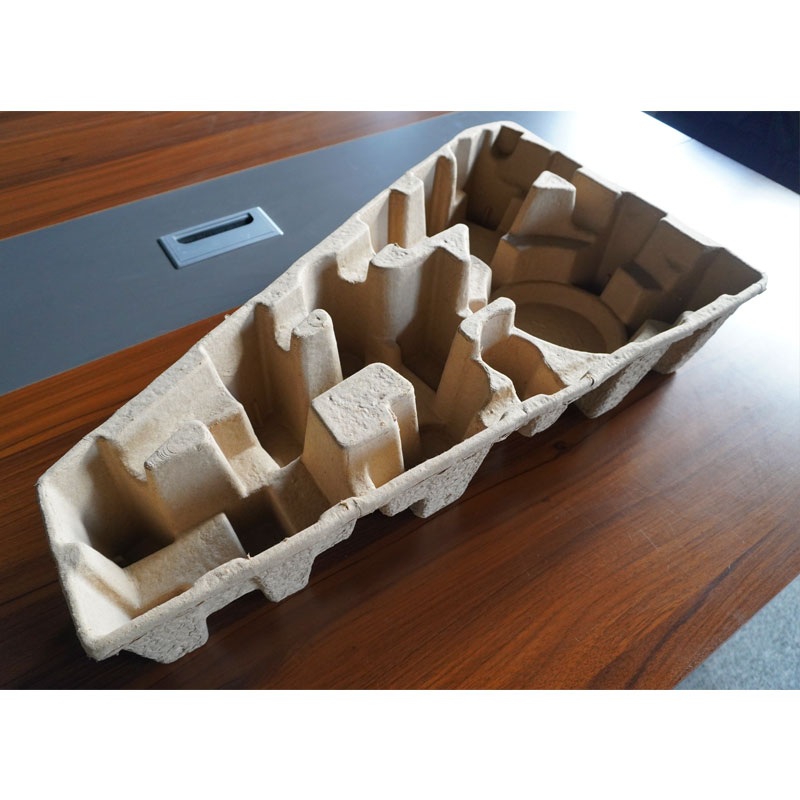
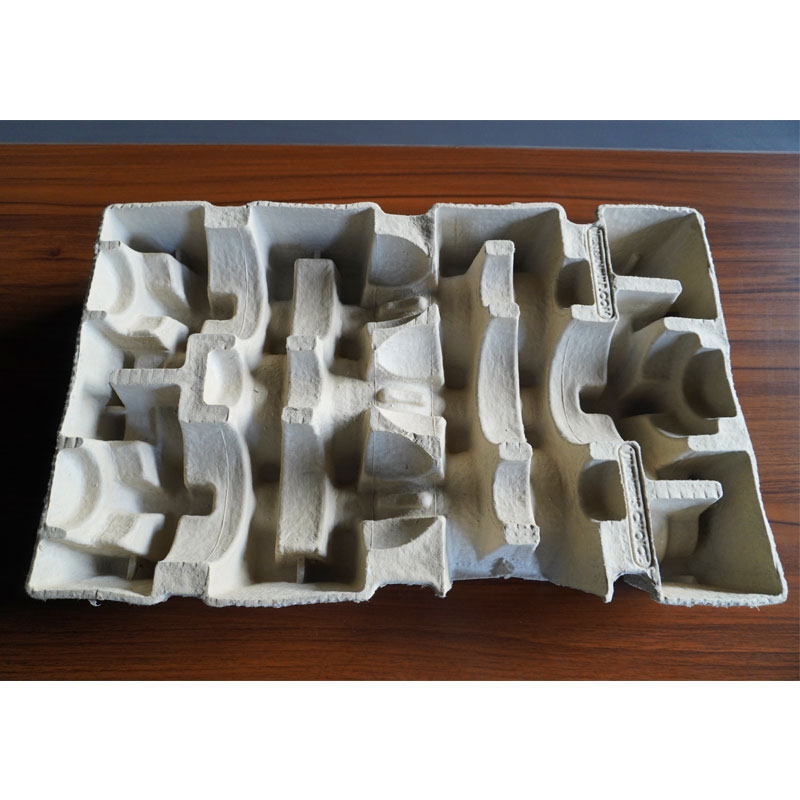
The process is highly customizable — molds can be designed to match virtually any product shape, from simple corner protectors and trays to complex multi-cavity inserts with precise cutouts, locating features, and interlocking designs. Explore our range of dry pressed products to see typical industrial packaging applications.
Protection Performance: Pulp vs EPS Foam
The most common question from industrial packaging buyers is whether molded pulp can truly match EPS foam's protective performance. The answer is yes — and in many applications, pulp outperforms foam.
EPS foam protects products primarily through its ability to compress and absorb impact energy. Molded pulp achieves similar cushioning through its fibrous structure, which compresses under impact and dissipates energy across the material. Independent drop test and vibration test data consistently show that properly designed molded pulp inserts provide equivalent or superior protection compared to EPS foam for most industrial applications.
Key protective advantages of molded pulp:
- Custom fit: Because pulp is molded to the exact shape of the product, it provides a precision fit that holds the product securely in place, preventing movement during transit — a common cause of damage with generic foam inserts.
- Multi-directional cushioning: Pulp inserts can be designed with varying wall thickness and structural ribs to provide targeted cushioning exactly where the product needs it most.
- Static dissipation: Unlike EPS foam, which can generate significant static electricity (a concern for electronic components), molded pulp is naturally static-dissipative and can be formulated with anti-static additives for sensitive electronics.
- Temperature stability: Pulp maintains its structural properties across a wider temperature range than EPS foam, which can soften at high temperatures and become brittle at very low temperatures.
- Moisture resistance: While standard pulp is moisture-sensitive, water-resistant additives and coatings are available for applications requiring moisture protection — achieving performance comparable to foam for most shipping scenarios.
For products with extreme cushioning requirements (e.g., heavy precision equipment), a hybrid approach combining molded pulp structural support with paper-based cushioning materials can achieve any required protection level without foam.
Environmental Impact Comparison
The environmental difference between molded pulp and EPS foam is not marginal — it is transformative across every lifecycle stage:
- Raw materials: Pulp uses recycled waste paper (a renewable, abundant material that would otherwise be landfilled or downcycled). EPS uses petroleum-derived styrene (a finite, non-renewable fossil fuel resource).
- Production emissions: Pulp production generates significantly lower greenhouse gas emissions per unit of packaging compared to EPS, which requires energy-intensive polymerization and pentane blowing agents.
- End-of-life: Pulp is 100% biodegradable (composts in weeks), 100% recyclable through standard paper recycling, and can even be reused as seed-starting material or animal bedding. EPS is essentially non-biodegradable, rarely recycled, and persists as microplastic pollution.
- Circular economy: Pulp packaging fits naturally into a circular economy model — it can be recycled back into paper products or composted into soil amendment. EPS has no viable circular pathway at scale.
- Carbon footprint: A typical molded pulp industrial insert has a carbon footprint 60–80% lower than an equivalent EPS foam insert, according to multiple lifecycle assessment (LCA) studies.
For companies reporting scope 3 emissions (which include packaging), switching from EPS to molded pulp can deliver measurable carbon reductions that support sustainability reporting and ESG targets.
Cost Analysis: Is Pulp More Expensive Than Foam?
Cost is the factor that causes the most hesitation — and the one where the most misinformation exists. Let's look at the real numbers.
Per-unit purchase price: Molded pulp industrial packaging typically costs 10–30% more per unit than equivalent EPS foam at comparable volumes. This is the figure that foam suppliers emphasize, and it is real — but it is not the whole story.
Total cost of ownership: When all costs are included, pulp is often cost-competitive or cheaper than foam:
- Plastic taxes and EPR fees: An increasing number of jurisdictions impose plastic packaging taxes (£200/tonne in the UK, €450–€900/tonne in various EU countries) or Extended Producer Responsibility (EPR) fees on plastic packaging. These add 15–40% to the effective cost of EPS foam, while pulp is typically exempt or taxed at a much lower rate.
- Disposal costs: Many regions now charge higher landfill or incineration fees for plastic waste, while paper/pulp waste is accepted at lower or zero cost. For high-volume manufacturers, this can amount to significant annual savings.
- Transportation efficiency: While both materials are lightweight, pulp inserts can often be nested or stacked more efficiently than foam, reducing shipping volume and freight cost — especially for returnable or reusable packaging programs.
- Brand premium: Products with sustainable packaging can command 5–15% higher retail prices in many markets, and B2B buyers increasingly pay a premium for suppliers that meet their sustainability requirements.
- Risk avoidance: The cost of being caught with foam packaging when a ban takes effect — including rushed redesign, supply disruption, and potential fines — far exceeds any per-unit cost difference.
For most industrial packaging buyers, the total cost of ownership for molded pulp is within 5–10% of EPS foam — and in jurisdictions with plastic taxes, pulp is often cheaper. As pulp production scales and foam costs rise due to regulation, the cost gap continues to narrow.
Applications and Industries
Molded pulp industrial packaging is suitable for virtually any application currently using EPS foam, including:
- Consumer electronics: Smartphone, laptop, tablet, TV, audio equipment, and accessory packaging — where precision fit and premium presentation are critical
- Home appliances: Internal protective inserts and corner protectors for refrigerators, washing machines, microwaves, and small appliances
- Automotive components: Protective trays and inserts for sensitive automotive parts, sensors, electronics modules, and precision components
- Medical devices and instruments: Sterile-compatible trays and packaging for medical devices, surgical instruments, diagnostic equipment, and pharmaceutical products
- Industrial equipment and machinery: Heavy-duty protective packaging for power tools, industrial instruments, pumps, motors, and precision machinery
- Lighting and glass products: Cushioned inserts for LED fixtures, light bulbs, glassware, and fragile decorative items
- Point-of-sale and display packaging: Custom display trays, countertop stands, and shelf-ready packaging that is both protective and presentable
The only applications where pulp may not be a direct drop-in replacement are those requiring extreme oil resistance, prolonged submersion in water, or ultra-high-temperature exposure — and even these can often be addressed with specialty coatings or hybrid designs.
Custom Design and Prototyping
One of the biggest advantages of molded pulp over EPS foam is design flexibility. Because pulp is formed using precision CNC-machined molds, virtually any shape can be produced — including complex geometries, undercuts, thin walls, precise locating features, interlocking components, and integrated branding elements (embossed logos, product information).
The typical custom packaging development process:
- Product evaluation: The packaging supplier evaluates your product dimensions, weight, fragility, shipping requirements, and any regulatory or branding specifications.
- Concept design: Packaging engineers develop initial design concepts using CAD software, including structural analysis and cushioning calculations.
- Prototype development: A prototype mold is manufactured (typically 2–4 weeks), and sample inserts are produced for fit, function, and drop testing.
- Testing and refinement: Prototypes undergo drop tests, vibration tests, and compression tests to verify protection performance. Design refinements are made as needed.
- Production tooling: Once the design is finalized, production molds are manufactured, and mass production begins.
Lead times for custom molded pulp packaging are typically 4–8 weeks from design approval to first production — comparable to or faster than custom EPS foam tooling. A supplier with in-house mold design and CNC machining, like Zhiyuan, can often achieve faster turnaround and tighter quality control than suppliers that outsource tooling.
Regulatory Compliance and Corporate Sustainability
Switching to molded pulp industrial packaging helps companies comply with a growing body of regulations and meet corporate sustainability commitments:
- EPS foam bans: Pulp packaging is fully compliant with all existing and proposed EPS foam bans and restrictions worldwide.
- EU Single-Use Plastics Directive: Pulp is exempt from plastic packaging restrictions and supports compliance with EU recycling and reduction targets.
- Plastic packaging taxes: Pulp packaging is typically exempt from plastic packaging taxes (UK Plastic Packaging Tax, French AGEC law, etc.), delivering direct cost savings.
- EPR compliance: Pulp packaging has lower EPR fees in most jurisdictions and supports extended producer responsibility obligations.
- Corporate sustainability targets: Pulp packaging supports Scope 3 emission reduction goals, plastic elimination commitments, circular economy targets, and ESG reporting requirements.
- Retailer requirements: Major retailers (Walmart, Amazon, Target, Carrefour, IKEA, etc.) increasingly require sustainable packaging from suppliers — pulp packaging meets or exceeds these requirements.
For companies selling into regulated markets or supplying major brands, pulp packaging is not just an environmental choice — it is a market access requirement.
Why Choose Zhiyuan for Industrial Molded Pulp Packaging
Foshan Shunde Zhiyuan Pulp Molding Equipment Co., Ltd. is uniquely positioned to serve industrial packaging buyers because we are both a pulp product manufacturer and a pulp molding equipment manufacturer — a combination that gives us deep expertise in both product design and production process optimization.
Our advantages for industrial packaging customers:
- In-house mold design and CNC machining: Our engineering team designs custom molds using CAD/CAM, and our CNC workshop manufactures them in-house — ensuring precision, quality, and faster lead times. No outsourcing, no quality gaps.
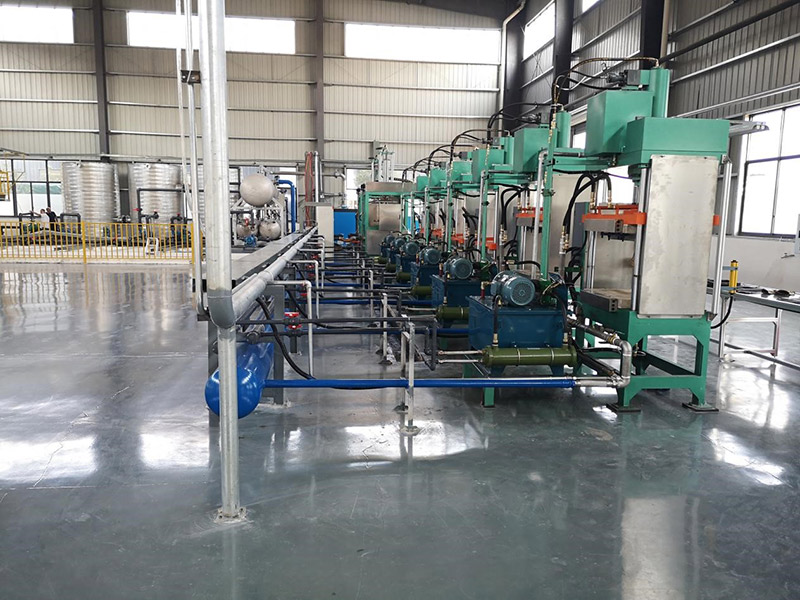
- Full process capability: We offer both dry press and wet press manufacturing, allowing us to recommend the optimal process for your specific application — whether you need cost-effective high-volume dry press inserts or premium wet press packaging for high-end products.
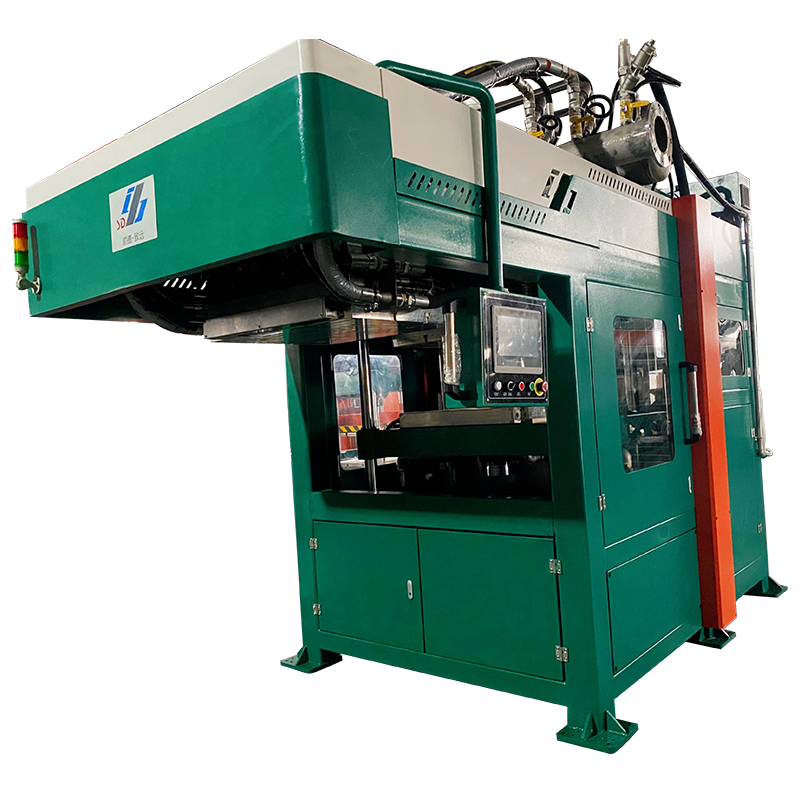
- Equipment manufacturing expertise: Because we build the machines that make pulp packaging, we understand the production process at a depth that pure product manufacturers cannot match. This translates to better product design, higher production efficiency, and more consistent quality.
- Custom development from concept to production: We handle the entire development process — product evaluation, structural design, prototyping, testing, production tooling, and mass production — as a single integrated supplier.
- Export quality control: Strict quality inspection at every production stage, with export-proven consistency and reliability for customers across multiple continents.
- Scalable production capacity: Our integrated facility supports both small-batch custom runs and high-volume mass production, with capacity that scales as your demand grows.
- Equipment + product bundle: For customers considering in-house pulp packaging production, we can supply both the custom packaging products now and the production equipment for future vertical integration — with knowledge transfer and training included.
Explore our complete product range to see examples of our industrial packaging capabilities, or contact our packaging specialists today for a free consultation. Send us your product drawings, dimensions, and shipping requirements, and we will provide custom design concepts, prototyping options, and itemized quotations — no obligation. We also welcome factory visits to see our production facility and quality control processes in person.






 +86 189 2452 1063
 s-dzhiyuan@163.com
 18924521063