


News

News
For egg producers, distributors, and packaging buyers, choosing between molded pulp egg trays and plastic egg cartons is no longer just a matter of cost — it is a decision that affects brand reputation, regulatory compliance, customer loyalty, and long-term profitability. As single-use plastic bans spread across Europe, North America, Asia, and beyond, and as major retailers commit to sustainable packaging targets, the question has shifted from "can we afford to switch?" to "can we afford not to?" In this guide, we compare molded pulp egg trays and plastic egg cartons across every dimension that matters to your business — environmental impact, protection performance, cost, branding, regulatory compliance, and supply chain reliability — to help you make an informed decision.
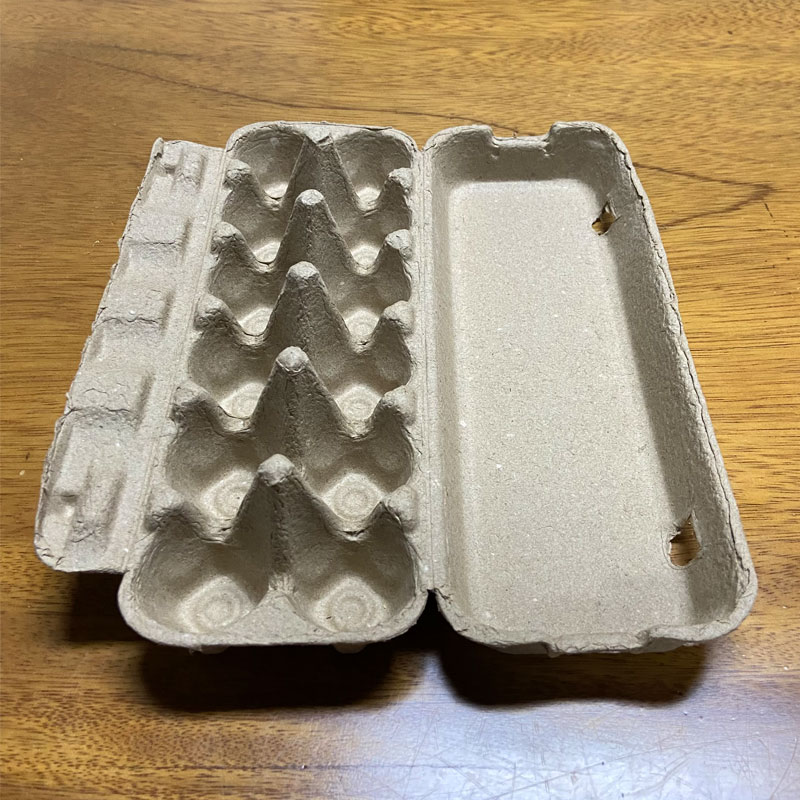
The most fundamental difference between the two packaging types lies in their environmental footprint. Plastic egg cartons — typically made from polystyrene (PS), polyethylene terephthalate (PET), or polyvinyl chloride (PVC) — are petroleum-based products that can take 500+ years to decompose in a landfill. Even when recycled, plastic egg cartons face contamination issues (egg residue, food contact) that make recycling economically unviable in many regions. The result: the vast majority end up in landfills, oceans, or incinerators, releasing microplastics and greenhouse gases throughout their lifecycle.
Molded pulp egg trays, by contrast, are manufactured from recycled paperboard, newsprint, or virgin plant fibers using a water-based forming process. They are 100% biodegradable and compostable — breaking down naturally within weeks in a home or industrial composting environment — and fully recyclable through standard paper recycling streams. A molded pulp egg tray can be composted, recycled, or even reused as seed-starting trays, closing the loop on packaging waste entirely.
This is the question that makes buyers hesitate — and the answer may surprise you. Independent testing and real-world shipping data consistently show that high-quality molded pulp egg trays provide equal or superior protection compared to plastic cartons, especially for long-distance and export shipping.
The fibrous structure of molded pulp creates a cushioning, shock-absorbing material that dissipates impact energy across the entire tray surface. Each egg sits in its own precision-formed cavity, preventing egg-to-egg contact and reducing point-loading — the primary cause of cracking. Plastic cartons, while rigid, transmit impact more directly and can develop stress cracks that compromise protection over repeated handling.
For export shipments, where eggs may pass through multiple handling stages and long transit times, molded pulp trays have been shown to reduce breakage rates by 15–30% compared to plastic alternatives. The key is sourcing from a manufacturer with consistent mold quality and production standards — poorly made pulp trays with thin walls or uneven cavities will underperform.
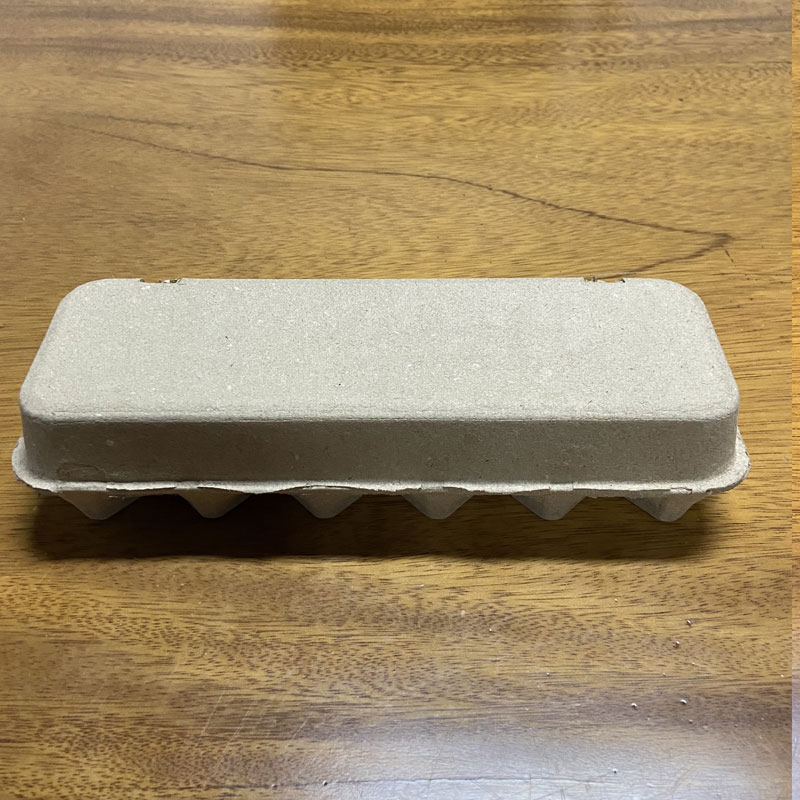
Plastic egg cartons generally have a lower per-unit purchase price — typically $0.02–$0.04 per carton at scale — compared to molded pulp trays at $0.03–$0.07 per tray. This upfront price differential is the primary reason some buyers remain with plastic.
However, the total cost of ownership tells a different story. Plastic cartons often incur additional costs that pulp trays do not:
When all factors are included, molded pulp trays frequently achieve a lower total cost of ownership than plastic, even before considering regulatory risk.
Plastic cartons offer clear transparency — consumers can see the eggs — and can be manufactured in custom colors. However, plastic is increasingly associated with "cheap" and "unsustainable" in the consumer mind, and major retailers are removing plastic-packaged products from shelves or relegating them to lower shelf positions.
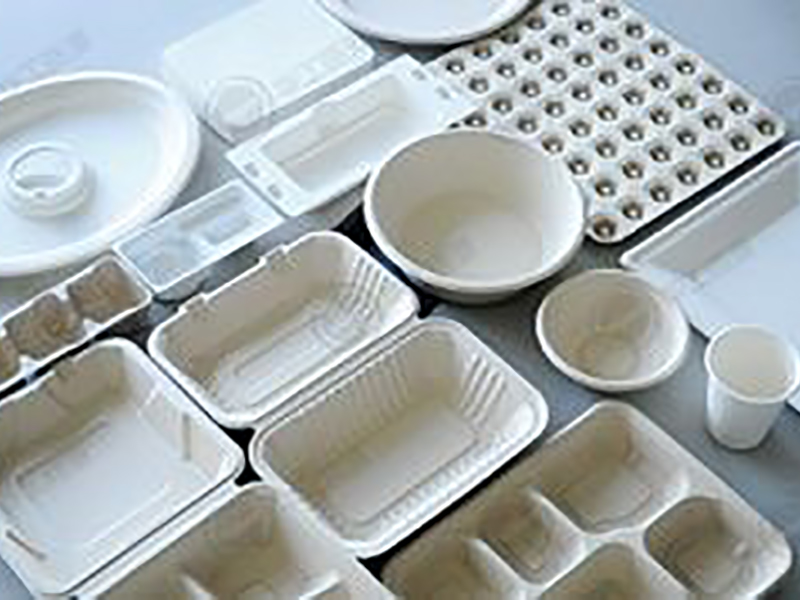
Molded pulp trays convey a natural, premium, eco-friendly brand image that resonates strongly with today's consumers — particularly millennials and Gen Z, who now represent the largest consumer demographic and consistently prioritize sustainable purchasing. Pulp trays can be custom-printed, embossed with logos, or manufactured in white (bleached) for premium retail presentation or natural yellow/brown (unbleached) for an authentic, eco-conscious aesthetic. Explore our range of molded pulp products to see the available options.
This is the factor that should concern every plastic packaging buyer. The global regulatory trajectory is unambiguous:
Continuing to invest in plastic egg cartons means betting against this regulatory and corporate trend — a bet that becomes more expensive with each passing year. Molded pulp trays, by contrast, are fully compliant with existing and anticipated regulations, insulating your business from future compliance costs and supply disruptions.
Plastic egg carton production is concentrated in a relatively small number of petrochemical-dependent factories, making supply chains vulnerable to oil price volatility, resin shortages, and geopolitical disruptions — as demonstrated repeatedly during and after the COVID-19 pandemic.
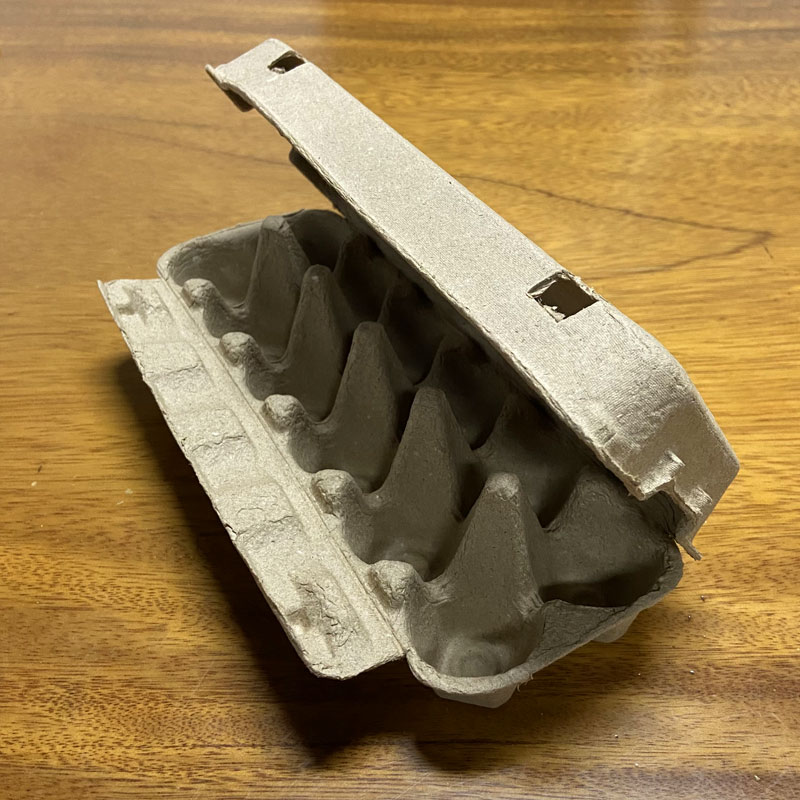
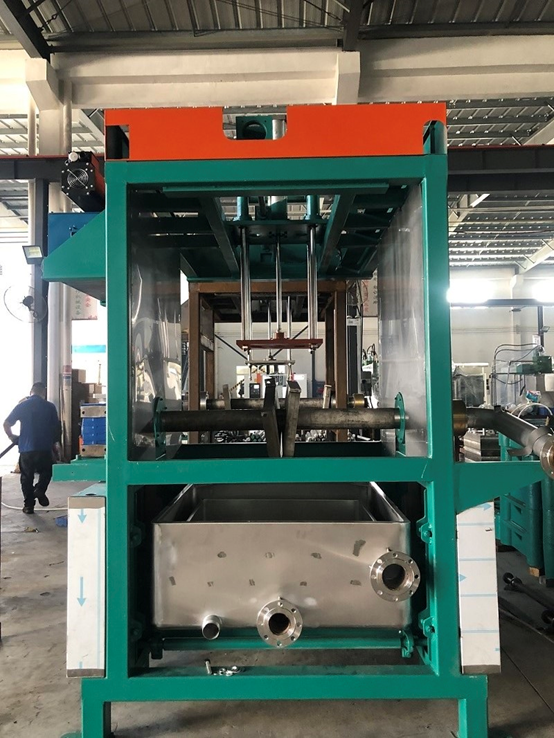
Molded pulp production relies on abundant, globally available recycled paper feedstock, with manufacturing facilities operating on every continent. Leading manufacturers like Zhiyuan operate fully integrated facilities with in-house mold design, CNC machining, and high-capacity production lines, enabling custom tray designs, rapid sampling, and consistent bulk supply for export customers. Whether you need standard 30-egg trays, custom cavity configurations, or branded premium packaging, a reputable pulp manufacturer can deliver with shorter lead times and greater flexibility than most plastic suppliers.
For the vast majority of egg producers, distributors, and packaging buyers — especially those serving export or retail markets — molded pulp egg trays are the clear choice for environmental responsibility, cost efficiency, brand value, and long-term regulatory security.
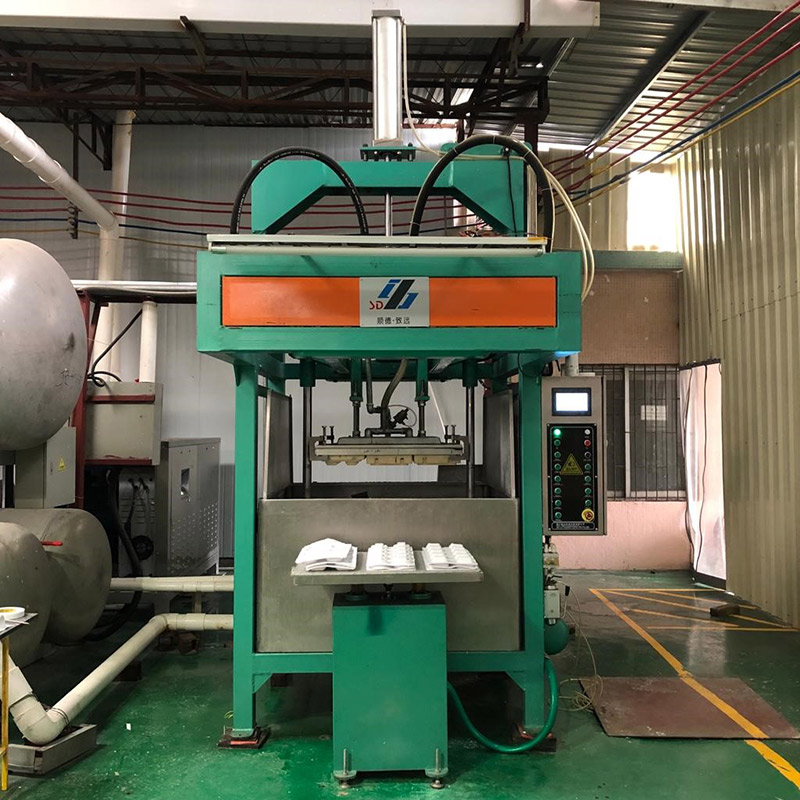
Foshan Shunde Zhiyuan Pulp Molding Equipment Co., Ltd. is a leading manufacturer of molded pulp products and pulp molding equipment, serving egg producers, packaging distributors, and retail brands across multiple continents. Our yellow egg trays and white molded pulp packaging are manufactured to consistent quality standards using recycled paper fibers, with full customization support for size, cavity count, printing, and embossing.
As both a product manufacturer and a machine builder, Zhiyuan offers unique advantages: direct-factory pricing, in-house mold design and CNC machining, large production capacity, and export-proven quality control. Whether you need a single container of standard trays or a long-term supply partnership with custom packaging development, our team can deliver.
Ready to switch to sustainable molded pulp egg packaging? Contact our sales team today for samples, pricing, and a customized quotation tailored to your egg packaging requirements.
 +86 189 2452 1063
 s-dzhiyuan@163.com
 18924521063


Online Message

Follow Us


Top
