


News

News
When sourcing molded pulp packaging for your products, one of the most consequential decisions is choosing between dry press and wet press manufacturing processes. Both produce biodegradable, recyclable paper-based packaging — but they differ dramatically in surface finish, precision, production speed, tooling cost, and suitable applications. Choosing the wrong process can mean overpaying for packaging you don't need, or delivering products that fail to meet your brand's quality standards. In this guide, we compare dry press and wet press molded pulp packaging across every dimension that matters to buyers — finish quality, production capacity, cost, applications, and customization — to help you make the right choice for your products.
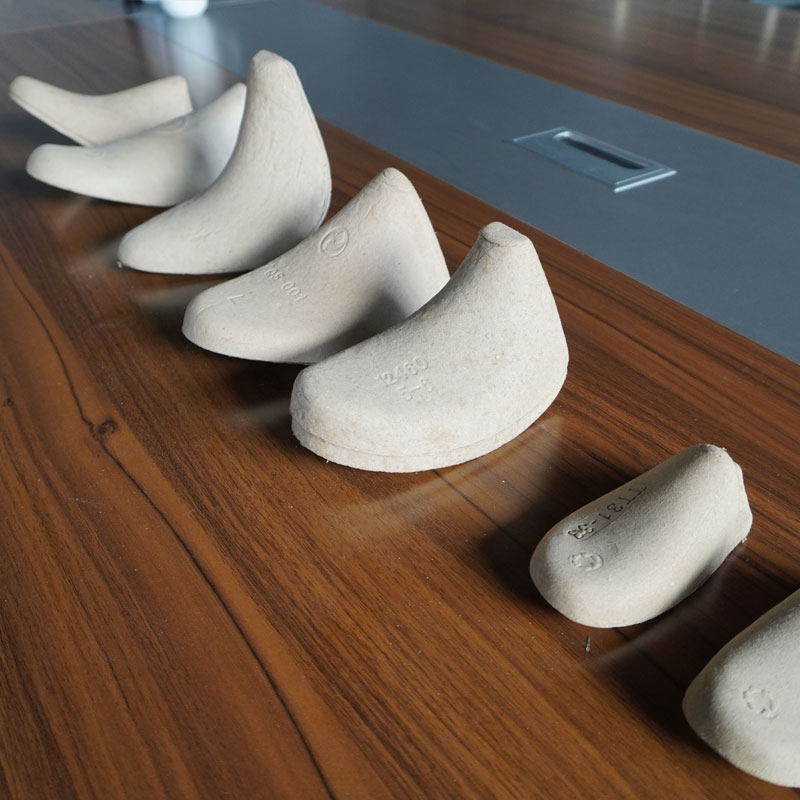
Dry press molding — also known as thermoformed pulp or dry pressing — is a two-stage process. First, pulp is formed into a rough, wet shape using a standard molding machine. The semi-dried product is then transferred to a heated precision mold (hot press) where it is compressed under high pressure and temperature, removing remaining moisture and creating a smooth, dimensionally precise finish. The hot press stage is what distinguishes dry press from basic molded pulp: it creates a denser, smoother, more uniform product with tight tolerances.
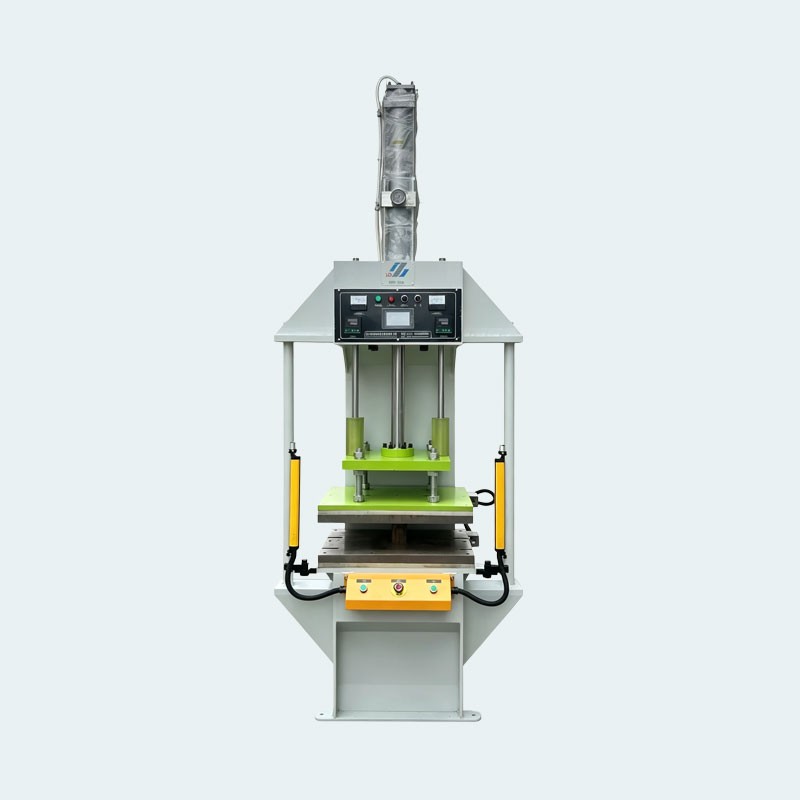
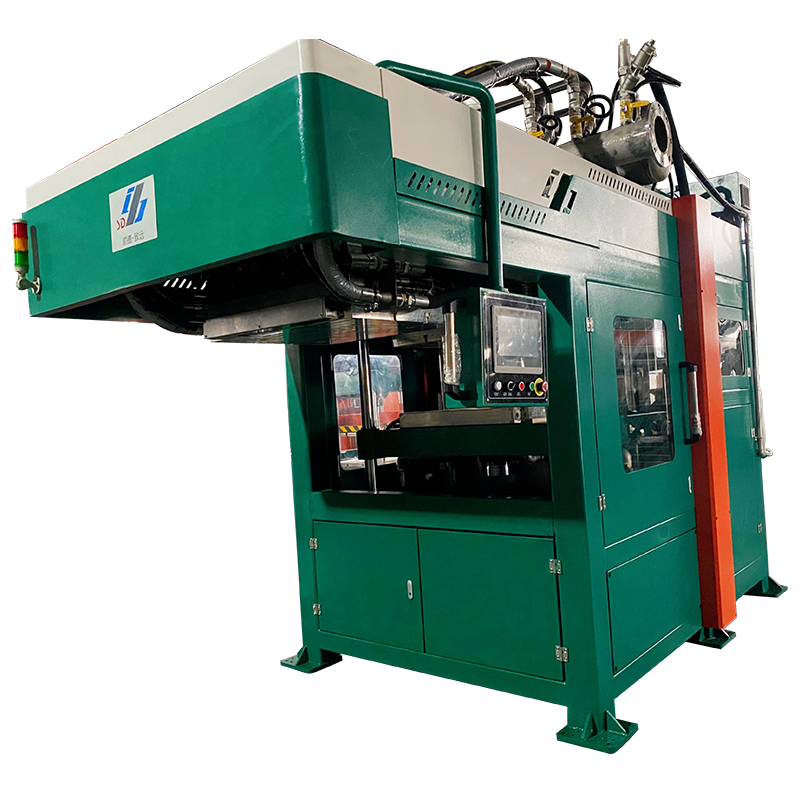
Dry press products are typically manufactured using equipment like the automatic wet pressing and hot pressing integrated machine or dedicated hot press stations paired with forming machines. Explore our full range of dry pressed products to see typical applications and finishes.
Wet press molding — also called transfer molding or wet pressing — is a single-stage, high-precision process. The pulp is formed directly in a precision mold, and the wet product is transferred while still wet to a matching heated male/female mold set where it is compressed and dried simultaneously under very high pressure. Because the product is pressed while fully wet, the fibers redistribute more uniformly, resulting in an exceptionally smooth, dense, and precise finish — comparable to plastic in surface quality.
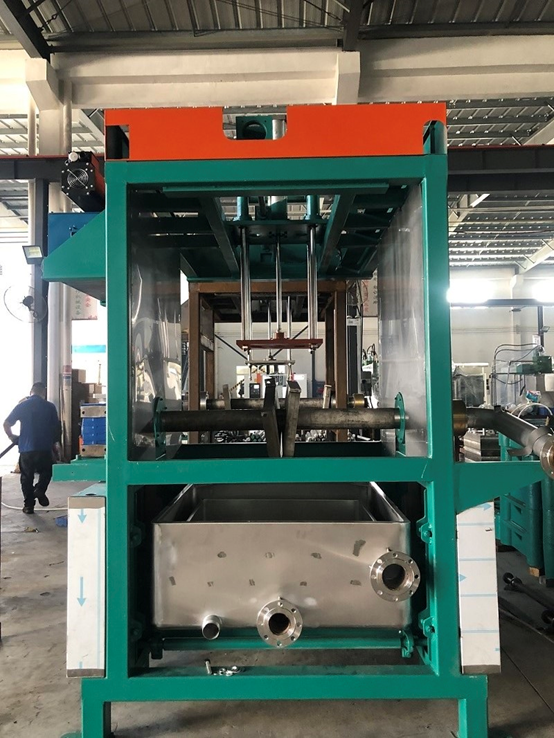
Wet press products require specialized equipment with precise temperature and pressure control, and tooling is more complex and expensive. The result, however, is the highest-quality molded pulp packaging available — suitable for premium consumer electronics, cosmetics, and luxury goods where presentation matters. See our wet pressing products for examples of premium wet press packaging.
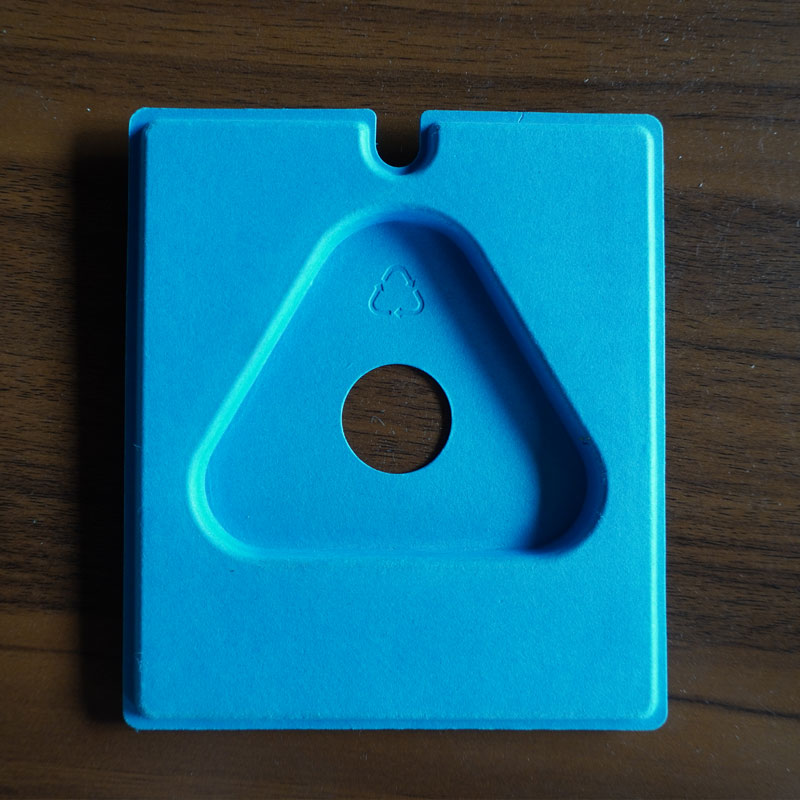
The most visible difference between dry press and wet press packaging is surface finish. Dry press products have a smooth, matte, paper-like texture — perfectly adequate for protective packaging where the packaging is not the primary brand statement. The surface may show minor fiber texture, and edges may have slight variation, but the product is fully functional and professional.
Wet press products, by contrast, achieve a remarkably smooth, dense, uniform surface that approaches the finish of injection-molded plastic. The high-pressure wet pressing process compresses fibers so tightly that the surface becomes almost non-porous, with crisp edges, precise details, and uniform color. This makes wet press the preferred choice for products where the packaging itself is part of the premium unboxing experience — consumer electronics, cosmetics, skincare, luxury goods, and high-end food packaging.
For products requiring custom printing, embossing, or debossing, wet press offers superior results due to its denser, more uniform surface. Dry press products can also be printed, but the slightly more textured surface may result in less crisp print detail.
Dry press is the higher-output process. Because the hot press stage is shorter and the forming stage operates independently, dry press lines can achieve higher pieces-per-hour throughput — especially when configured with multiple hot press stations serving a single forming machine. A typical dry press line might produce 1,500–4,000 pieces per hour depending on product size and complexity.
Wet press is inherently slower. The wet product must remain in the precision press longer to ensure complete drying and proper fiber densification, and the more complex mold handling (male/female sets) reduces cycle speed. A wet press line might produce 500–2,000 pieces per hour. For high-volume, standard products, this lower throughput translates to higher per-unit production costs — one reason wet press is typically reserved for lower-volume, higher-margin premium products.
Cost is often the deciding factor, and it is important to consider both upfront tooling and ongoing unit price.
Dry press is ideal for protective, functional packaging where surface finish is secondary to protection and cost efficiency:
Wet press is preferred for premium, presentation-critical packaging where surface quality, precision, and brand image are paramount:
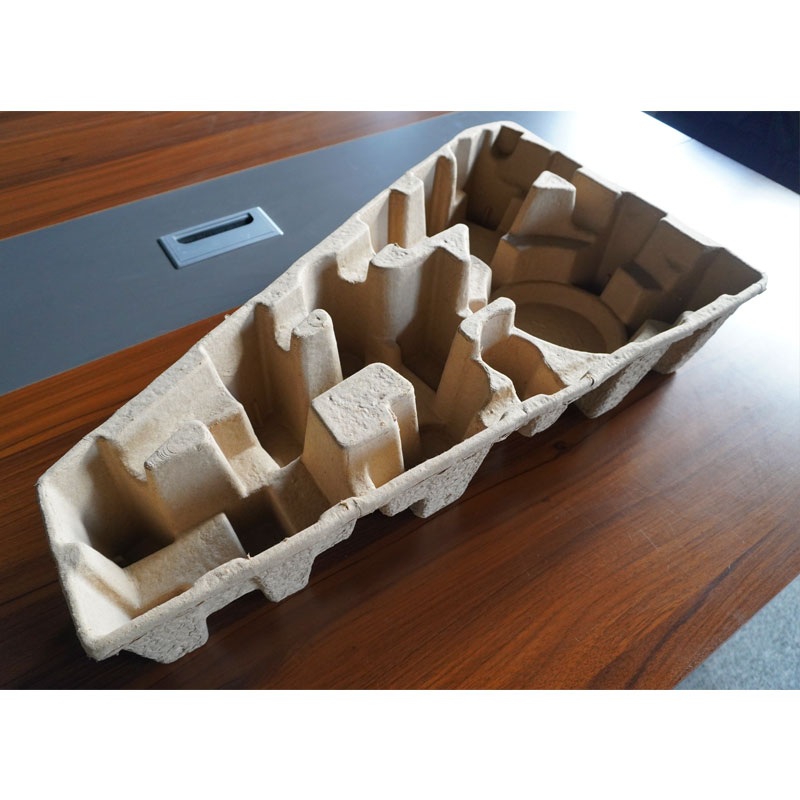
For many businesses, the optimal strategy is to use both processes — dry press for high-volume standard products and wet press for premium lines. A manufacturer with both capabilities, like Zhiyuan, can help you determine the most cost-effective process for each product based on your specific requirements, volumes, and quality standards.
Foshan Shunde Zhiyuan Pulp Molding Equipment Co., Ltd. is unique in offering both dry press and wet press manufacturing capabilities — because we believe the right packaging process is the one that matches your product, not the one the manufacturer happens to offer. As both a pulp molding equipment manufacturer and an active pulp product producer, we have in-depth expertise in both processes and can provide unbiased recommendations based on your specific needs.
Our capabilities include:
Whether you need a cost-effective dry press solution for high-volume industrial packaging or a premium wet press solution for your flagship product line, our team can guide you to the optimal process, configuration, and pricing. Explore our complete product range or contact our packaging specialists today for a free consultation, custom sample development, and itemized quotation — no obligation.
 +86 189 2452 1063
 s-dzhiyuan@163.com
 18924521063


Online Message

Follow Us


Top
