


News

News
Choosing the right egg tray making machine is the single most important decision for anyone entering the egg tray manufacturing business — and one of the most commonly mishandled. Buyers frequently focus on purchase price alone, only to discover after installation that the machine cannot meet their production targets, consumes excessive energy, breaks down frequently, or lacks the spare parts and technical support needed to keep running. A poorly chosen machine can turn a profitable business into a constant struggle with downtime, defects, and frustrated customers. In this guide, we break down the seven critical factors every buyer must evaluate before purchasing an egg tray making machine — so you can invest with confidence and avoid the costly mistakes that plague first-time buyers.
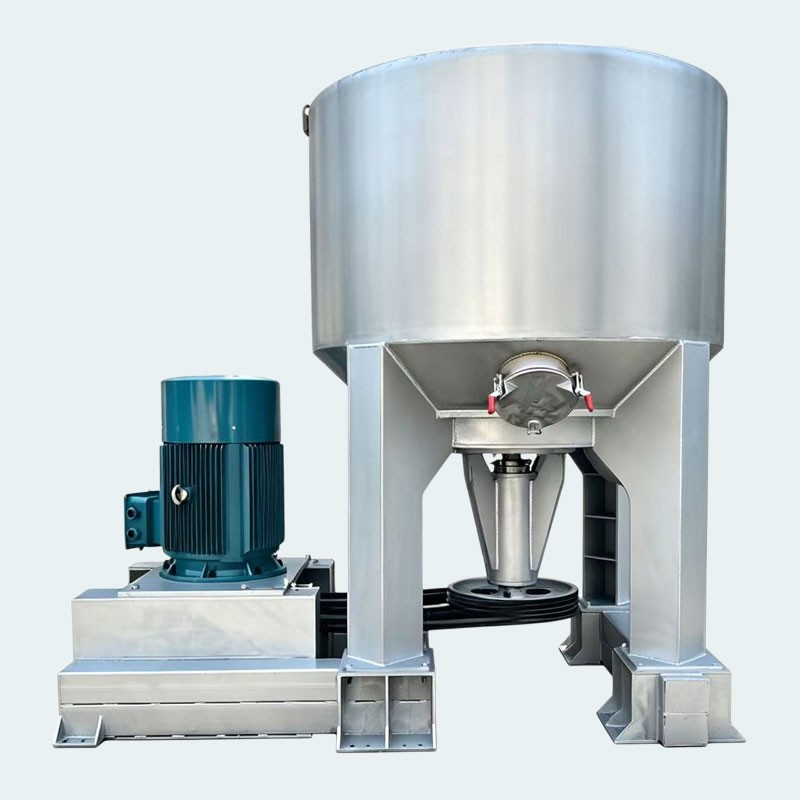
Production capacity — measured in trays per hour — is the first and most fundamental specification to evaluate. Egg tray making machines range from small semi-automatic units producing 800–1,500 trays per hour to large fully automatic lines capable of 4,000–6,000+ trays per hour. The critical mistake buyers make is purchasing either too much or too little capacity.
Buying a machine with capacity far exceeding your current orders means higher purchase cost, greater energy consumption, and underutilized equipment — all of which erode profitability. Buying too little capacity means you cannot fulfill larger orders, lose customers to competitors, and face pressure to upgrade prematurely. The right approach: calculate your current monthly order volume, add a 30–50% growth buffer, and select a machine that can comfortably meet that target. If demand grows beyond expectations, a well-configured machine from a reputable supplier like Zhiyuan can often be upgraded with additional hot presses or forming stations rather than requiring full replacement.
Egg tray machines fall into three automation categories, each with distinct tradeoffs:
Manual/semi-automatic: Requires 4–6 workers per shift for forming, transfer, drying, and stacking. Low purchase price ($8,000–$25,000) but high ongoing labor cost. Suitable for very small operations or regions with extremely low labor costs.
Fully automatic entry-level: Automated forming and transfer with manual monitoring, requiring 1–2 operators per shift. Mid-range price ($30,000–$70,000) with significantly lower labor cost. The most popular choice for startups and growing businesses.
Fully automatic high-capacity: Complete automation with robotic transfer, multiple hot presses, and integrated stacking. Requires only 1 operator per shift. Higher price ($70,000–$200,000+) but maximum efficiency and consistency. Suitable for high-volume producers and export-focused operations.
The decision hinges on local labor costs. In regions where factory labor costs $500+/month per worker, a fully automatic machine typically pays for its higher price within 12–24 months through labor savings alone. In very low-wage regions, a semi-automatic machine may remain cost-effective for longer. Our one water and one heat automaton is a popular mid-range fully automatic option that balances capacity, automation, and affordability.
Two machines with identical capacity specifications can perform dramatically differently depending on build quality. Key construction elements to inspect:
Frame and structure: A reinforced steel frame with proper welding and stress relief prevents vibration and deformation during high-speed operation. Thin or poorly welded frames develop cracks and misalignment within months.
Forming drum and molds: The forming drum (or forming plate) is the heart of the machine. Precision-machined stainless steel or aluminum drums with uniform vacuum distribution produce consistent, defect-free trays. Cheap machines use poorly machined drums that cause uneven pulp distribution and high defect rates.
Vacuum system: A reliable vacuum pump with adequate capacity is essential for consistent pulp pickup and tray formation. Underpowered vacuum systems cause incomplete forming, thin spots, and tray deformation.
Pneumatic and hydraulic components: Quality cylinders, valves, and seals from reputable brands (SMC, Festo, or equivalent) ensure reliable operation and long service life. Generic components fail frequently and are hard to source.
Electrical system: PLC control with branded components (Siemens, Mitsubishi, or equivalent) provides stable, programmable operation. Cheap electrical systems suffer from frequent faults and are difficult to troubleshoot.
Always request detailed specifications for these components, and if possible, visit the factory to see the machine running in actual production. A machine that costs 20% more upfront but lasts 10+ years with minimal downtime is far cheaper than a budget machine that requires constant repairs and replacement within 3–5 years.
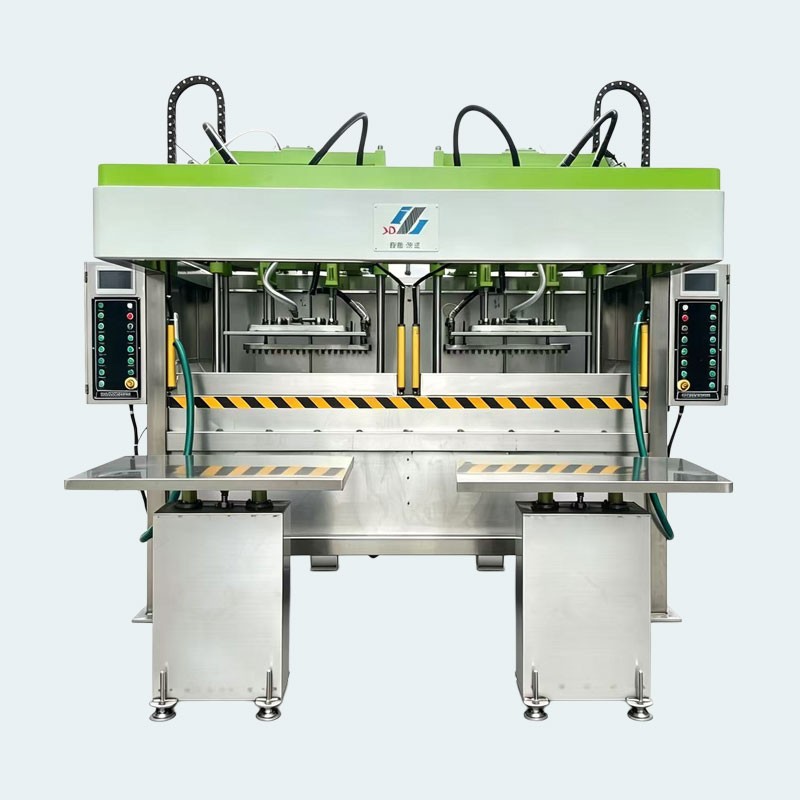
Energy cost is often the second-largest operating expense after raw materials, yet many buyers ignore it during the purchasing decision. An egg tray making machine consumes energy in three main areas: the main motor and vacuum pump (electricity), the hot press drying system (electricity or gas/steam), and auxiliary equipment (pulper, conveyor, compressor).
Key energy metrics to compare:
Installed power (kW): Total electrical capacity required. A typical mid-range automatic line requires 60–100kW; high-capacity lines may require 150–250kW.
Actual power consumption (kWh per 1,000 trays): This is the more meaningful metric — how much energy is actually consumed per unit of output. Efficient machines achieve 8–15 kWh per 1,000 trays; inefficient machines may consume 20+ kWh per 1,000 trays.
Drying system efficiency: The hot press is the largest energy consumer. Machines with well-insulated hot presses, efficient heat recovery, and optimized press cycles consume significantly less energy than basic designs.
Alternative energy options: Some machines support gas-fired or steam-heated hot presses, which can be significantly cheaper than electric heating in regions with low gas prices or available industrial steam.
Over a 10-year machine life, a difference of 5 kWh per 1,000 trays can amount to tens of thousands of dollars in energy costs — often exceeding the initial price difference between an efficient and an inefficient machine. Always calculate lifetime energy cost, not just purchase price.
The mold determines the shape, quality, and consistency of every tray your machine produces — and it is also the primary tool for product differentiation. Key considerations:
Mold material: High-quality molds are machined from aluminum or stainless steel with precision CNC machining. Cheap molds use cast aluminum or even plastic, which wear quickly and produce inconsistent results.
Standard vs custom: Most suppliers offer standard 30-egg cavity molds. If you need custom configurations (12-egg, 15-egg, 20-egg, or specialty shapes), confirm the supplier can design and manufacture custom molds in-house.
Mold lifespan: A well-made aluminum mold can produce 5–10 million trays before requiring refurbishment. Cheap molds may wear out after 1–2 million trays, requiring frequent and costly replacement.
Mold changeover time: If you plan to produce multiple tray types, quick mold changeover capability minimizes downtime between production runs.
Spare mold availability: Always purchase at least one spare mold set. A broken mold with no spare means complete production stoppage until a replacement is manufactured — which can take weeks.
Zhiyuan manufactures all molds in-house using CNC machining, with full custom design capability. This means shorter lead times for custom molds, consistent quality, and readily available spare molds — a critical advantage over suppliers that outsource mold manufacturing.
This is the factor that separates a good purchase from a disastrous one — and it is almost impossible to evaluate from a specification sheet. A machine is only as good as the support behind it. Critical questions to ask every supplier:
Installation and commissioning: Does the supplier send a technician to install and commission the machine at your facility? How many days of installation support are included? What is the cost of additional days?
Operator training: Does the supplier provide hands-on training for your operators during installation? Is training documentation provided in your language?
Warranty: What is the warranty period (typically 12–24 months)? What does it cover — parts only, or parts and labor? What is excluded (consumables, operator error)?
Spare parts: Does the supplier maintain a stock of commonly needed spare parts (seals, valves, bearings, vacuum pump components, electrical parts)? What is the typical lead time for spare parts? Can parts be shipped by express courier?
Remote technical support: Does the supplier offer remote troubleshooting via video call, PLC remote access, or dedicated technical support channels? What is the response time?
Language support: Can the supplier communicate effectively in English (or your language)? Language barriers are a common cause of unresolved technical issues.
A supplier that cannot provide clear, specific answers to these questions — or that offers only vague promises of "good after-sales service" — is a risk. The best suppliers have documented support processes, dedicated technical teams, and a track record of supporting export customers across multiple continents. Our complete equipment range is backed by a dedicated export support team with experience serving customers worldwide.
Every factor above ultimately feeds into one number: total cost of ownership (TCO) over the machine's expected life. TCO includes:
Purchase price: Machine, molds, auxiliary equipment, shipping, and installation
Energy cost: Electricity/gas/steam over 10 years
Labor cost: Operator wages over 10 years (the primary reason automation matters)
Maintenance and repairs: Scheduled maintenance, spare parts, and unexpected repairs
Downtime cost: Lost production and lost customer orders due to machine downtime
Defect cost: Waste from defective trays due to poor machine quality or mold wear
Residual value: The machine's resale or scrap value at end of life
A machine with a 20% higher purchase price that consumes 30% less energy, requires 50% fewer operators, and has 70% less downtime will have a dramatically lower TCO than a "cheaper" machine. Always request a TCO analysis from your supplier — and be skeptical of any supplier that cannot or will not provide one.
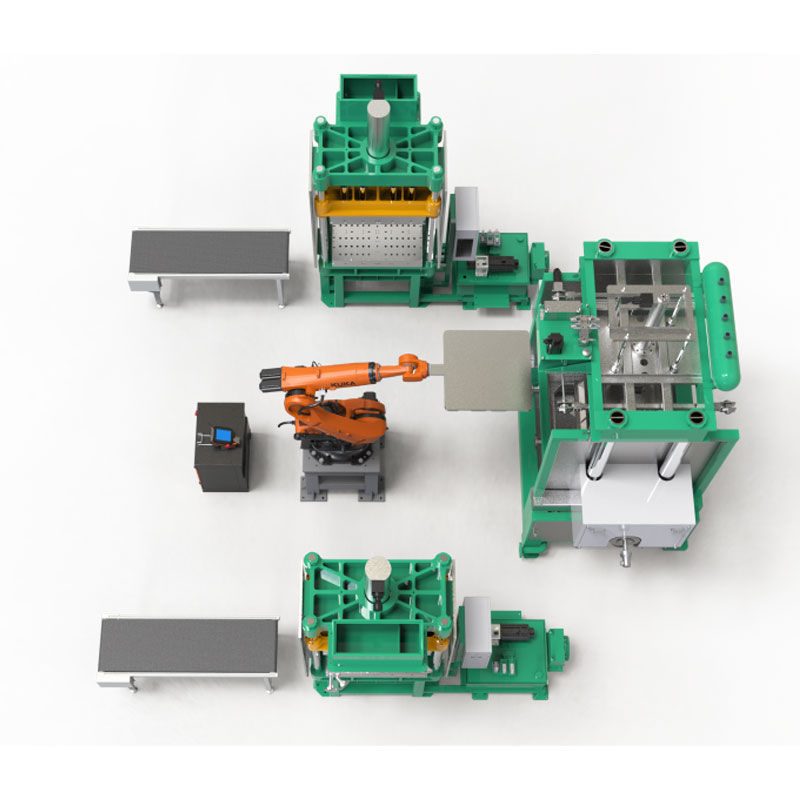
Foshan Shunde Zhiyuan Pulp Molding Equipment Co., Ltd. has been manufacturing pulp molding equipment for over 20 years from our 38-acre integrated facility in Shunde, China. What sets us apart on every factor buyers care about:
Capacity: Machines from 800 to 6,000+ trays/hour, with scalable configurations that grow with your business
Automation: Full range from semi-automatic to fully automatic robotic lines, with honest recommendations based on your labor cost and volume
Quality: In-house CNC machining, reinforced steel frames, branded electrical and pneumatic components, and rigorous quality inspection at every stage
Energy: Efficient hot press design with insulation and heat recovery, plus gas/steam heating options to minimize energy cost
Molds: In-house mold design and CNC manufacturing, with custom capability and readily available spares
Support: Export-experienced technicians for installation and training, documented spare parts lists, remote technical support, and English-language communication
TCO: Transparent itemized quotations and lifetime cost analysis, with no hidden fees
Because we also manufacture molded pulp products ourselves, our machines are designed based on real production experience — not theoretical specifications. We know what works on the factory floor because we use it every day.
Ready to find the right egg tray making machine for your business? Contact our team today with your target production volume, available facility space, and budget, and we will provide a customized machine configuration, itemized quotation, energy and labor cost analysis, and projected ROI — no obligation. We also welcome factory visits to see our machines running in actual production.
 +86 189 2452 1063
 s-dzhiyuan@163.com
 18924521063


Online Message

Follow Us


Top
