


News

News
The global egg market is undergoing a quiet but profound transformation. While commodity eggs remain a high-volume, low-margin business, the fastest-growing segment is specialty eggs — organic, free-range, pasture-raised, omega-3 enriched, and branded farm eggs — which command premium prices and attract discerning consumers who care about animal welfare, environmental sustainability, and product quality. For producers and marketers of specialty eggs, packaging is not just a protective container — it is a brand statement, a quality signal, and a critical touchpoint in the consumer experience. Molded pulp egg cartons have emerged as the premium packaging choice for specialty and organic egg brands, offering a combination of sustainability, protection, brand presentation, and consumer appeal that plastic and foam alternatives simply cannot match. In this guide, we examine why molded pulp egg cartons are the ideal packaging for specialty eggs, how they enhance brand value, and what to look for when sourcing premium pulp egg carton packaging.
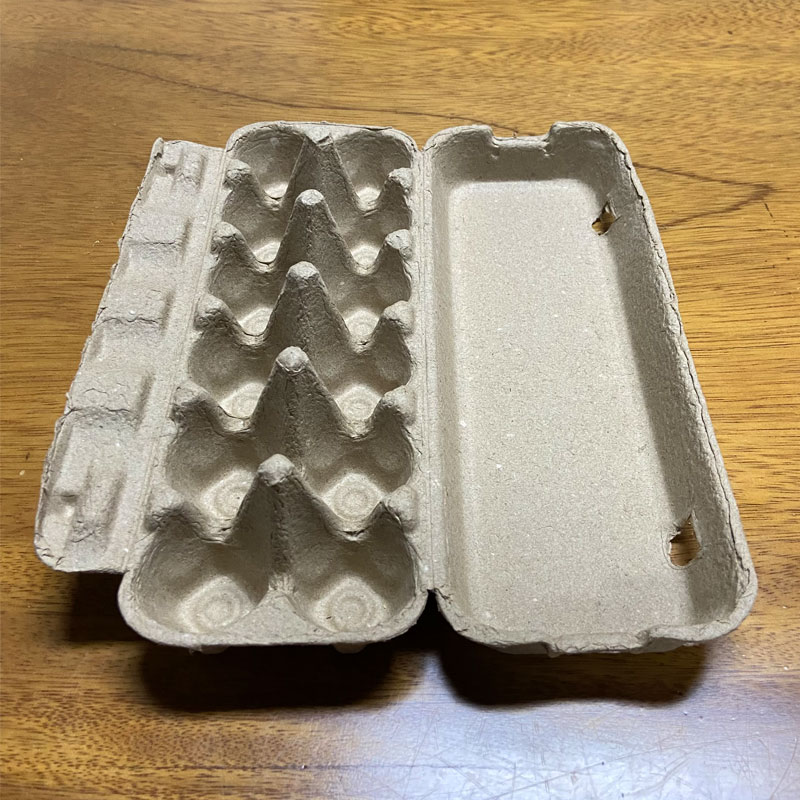
Specialty eggs are one of the fastest-growing segments of the global egg industry, with organic eggs alone growing at 8–12% annually in many markets. Consumers who choose specialty eggs are making a deliberate, values-based purchasing decision — they are willing to pay 2–3 times more for organic, free-range, or pasture-raised eggs because they care about how the eggs are produced, the welfare of the hens, and the environmental impact of their purchase.
This values-driven mindset extends to packaging. A consumer who pays $5–$8 for a dozen organic eggs does not want to see those premium eggs packaged in the same cheap plastic or foam carton used for commodity eggs at $1.50/dozen. Packaging creates an expectation — and a mismatch between premium product and commodity packaging creates cognitive dissonance that undermines brand value and consumer trust.
Molded pulp egg cartons solve this mismatch perfectly. Their natural, earthy appearance signals sustainability and authenticity. Their sturdy construction communicates quality and care. Their biodegradable nature aligns with the environmental values of specialty egg consumers. In short, molded pulp packaging tells the consumer "these eggs are special" before they even read the label.
Specialty egg brands build their identity on values — animal welfare, environmental responsibility, natural farming. Molded pulp egg cartons are manufactured from 100% recycled paper fibers (old corrugated containers, newsprint, or mixed recycled paper) using a water-based, chemical-free forming process. They are fully biodegradable (composting in weeks in a home or industrial compost environment), 100% recyclable through standard paper recycling, and contain no plastic, foam, or chemical coatings. For a brand that positions itself as natural and sustainable, pulp packaging is the only choice that fully aligns with those values from production to disposal.
Specialty eggs are often larger (jumbo or extra-large sizes), more fragile (thinner shells from certain breeds or production systems), and more valuable — making protection even more critical than for commodity eggs. Molded pulp egg cartons provide exceptional protection through:
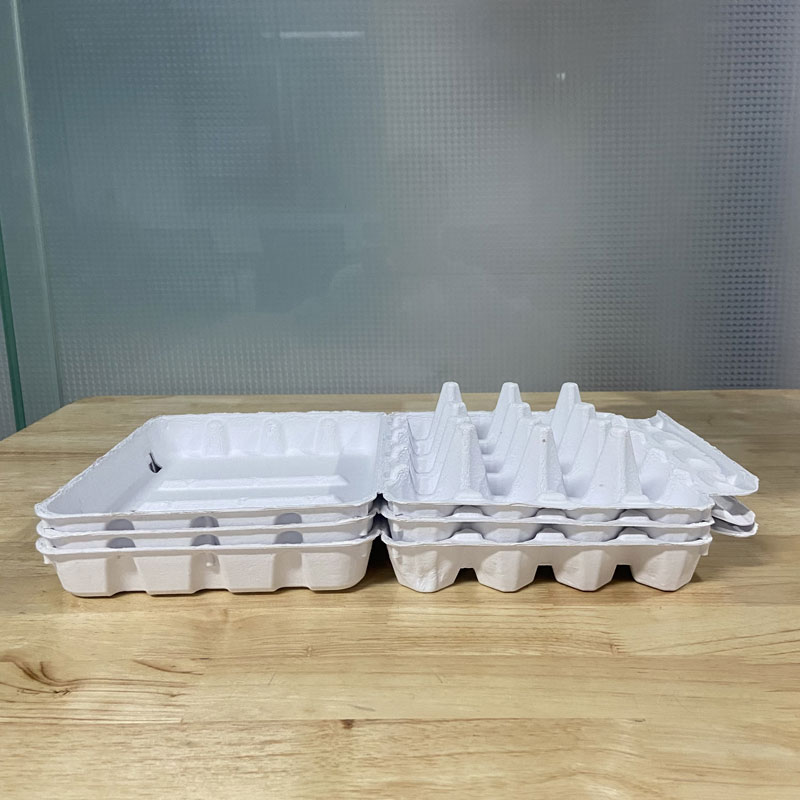
Individual cavities: Each egg sits in its own precision-formed cavity, preventing egg-to-egg contact and eliminating the friction and impact that cause cracking.
Cushioning fiber structure: The fibrous pulp material compresses under impact, absorbing and dissipating shock energy — similar to how a shock absorber works in a vehicle.
Secure lid closure: Pulp cartons feature interlocking lid designs that hold the carton securely closed during transit, preventing eggs from shifting or falling out.
Stackable design: The structural rigidity of pulp cartons allows safe stacking without crushing, reducing damage in storage and transport.
Independent testing and real-world shipping data consistently show that high-quality molded pulp egg cartons achieve equal or lower breakage rates compared to plastic or foam alternatives — especially for long-distance and export shipping, where multiple handling stages increase the risk of damage.
Molded pulp egg cartons offer extensive branding and customization options that help specialty egg brands differentiate themselves on the retail shelf:
Color options: Natural unbleached pulp (warm yellow/brown tones) conveys an authentic, farm-fresh, artisanal image — ideal for organic, free-range, and farm-direct brands. Bleached white pulp offers a clean, modern, premium look suitable for upscale grocery and gourmet markets. Many brands use natural pulp for their standard line and white pulp for a premium or limited-edition line.
Custom printing: Pulp egg cartons can be printed with brand logos, product information, certifications (USDA Organic, Certified Humane, Free Range), farm stories, cooking tips, or QR codes linking to the farm's website. Printing can be done in one or multiple colors, with either flexographic or offset printing depending on volume and quality requirements.
Embossing and debossing: For a truly premium tactile experience, logos or text can be embossed (raised) or debossed (impressed) into the pulp surface — creating a subtle, sophisticated brand mark that consumers can feel as well as see.
Custom cavity configurations: While 12-egg (one dozen) is the standard, pulp cartons can be manufactured in custom configurations — 6-egg half-dozen, 15-egg, 18-egg, 20-egg, 30-egg (commercial flat), or specialty shapes for quail eggs, duck eggs, or goose eggs. Custom configurations allow brands to offer unique product formats that stand out from competitors.
Custom carton shapes: Beyond standard rectangular cartons, pulp can be formed into unique shapes — triangular cartons, round cartons, gift-box formats, or cartons with integrated display stands — for seasonal promotions, gift sets, or premium product lines.
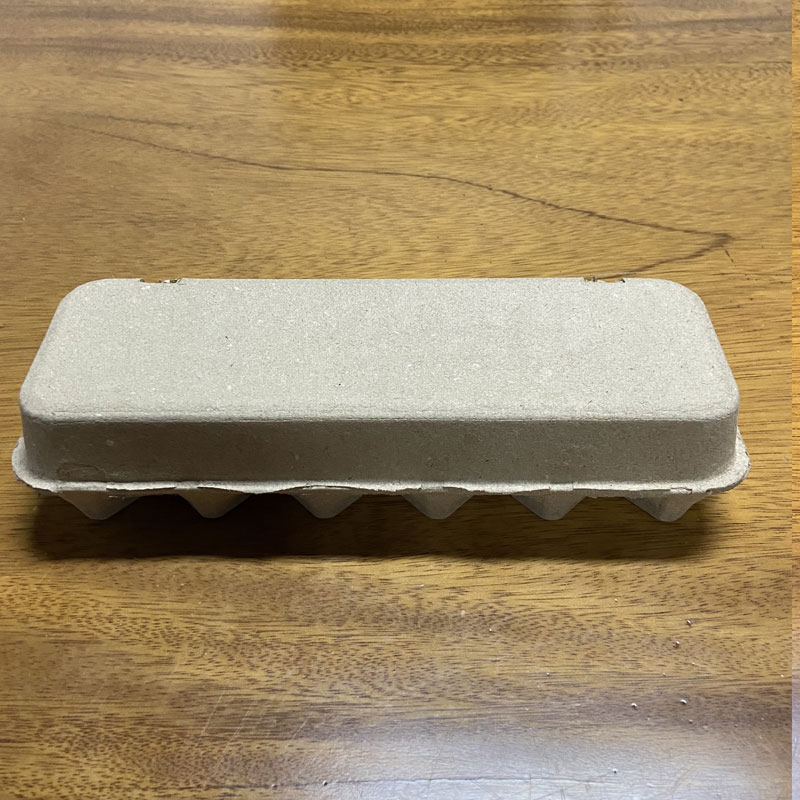
Consumer research consistently shows that molded pulp egg cartons are preferred by the same demographic that buys specialty eggs — environmentally conscious, health-focused, higher-income consumers. Key findings:
Perceived quality: Consumers consistently rate eggs in pulp cartons as higher quality, fresher, and more natural compared to identical eggs in plastic or foam cartons — a perceptual advantage that directly supports premium pricing.
Purchase intent: Studies show that 60–70% of consumers would choose eggs in pulp packaging over identical eggs in plastic packaging, given the choice — and many are willing to pay a small premium for the sustainable option.
Retailer requirements: Major retailers including Whole Foods, Trader Joe's, Costco (organic lines), and many natural food chains require or strongly prefer pulp packaging for specialty and organic eggs. Using pulp packaging is often a prerequisite for shelf space in premium retail channels.
Reuse and engagement: Pulp egg cartons are frequently reused by consumers — as seed-starting trays, craft materials, storage organizers, or compost — creating ongoing brand exposure and positive environmental association long after the eggs are consumed.
Specialty egg brands must navigate a complex landscape of regulations and certifications, and packaging plays a role in compliance:
Food contact safety: Molded pulp egg cartons are manufactured from food-safe, non-toxic materials and comply with FDA (US), EFSA (EU), and other major food contact safety regulations. Unlike some plastic packaging, pulp contains no BPA, phthalates, or other chemical additives that can migrate into food.
Compostability and biodegradability certifications: Pulp egg cartons can be certified compostable (ASTM D6400, EN 13432) and biodegradable, providing third-party validation of environmental claims — valuable for brands that market on sustainability.
Recyclability: Pulp cartons are widely accepted in curbside recycling programs, with clear recycling labeling (#5 paper or "widely recyclable") — supporting brands' circular economy messaging.
Plastic ban compliance: As jurisdictions ban or restrict single-use plastic and foam food packaging, pulp egg cartons provide a compliant alternative that requires no reformulation or packaging redesign.
Organic certification alignment: While packaging itself does not require organic certification, using natural, chemical-free pulp packaging aligns with the spirit of organic certification and supports the "natural" brand positioning that organic consumers expect.
While molded pulp egg cartons may cost slightly more per unit than commodity plastic or foam cartons, the total value equation strongly favors pulp for specialty egg brands:
Price premium support: The perceived quality and sustainability of pulp packaging supports a retail price premium of 10–30% for specialty eggs — far exceeding the incremental packaging cost of $0.01–$0.03 per carton.
Reduced breakage costs: Superior protection reduces shipping breakage, saving the cost of damaged premium eggs — often $0.05–$0.15 per dozen in avoided losses.
Lower compliance risk: Pulp packaging avoids the risk of plastic taxes, EPR fees, and plastic ban compliance costs that increasingly affect plastic and foam packaging in many jurisdictions.
Brand equity building: Consistent, premium packaging builds brand recognition and loyalty over time, supporting repeat purchases and word-of-mouth marketing — intangible value that directly impacts long-term revenue and profitability.
Volume pricing: For brands with consistent volume, pulp egg carton pricing becomes very competitive — with per-unit costs decreasing significantly at order volumes above 50,000–100,000 cartons.
For most specialty egg brands, the incremental cost of pulp packaging is recovered many times over through higher retail prices, lower breakage, and stronger brand loyalty.
Not all molded pulp egg cartons are created equal. When sourcing packaging for specialty eggs, evaluate suppliers on these critical factors:
Consistent quality: Premium eggs deserve premium packaging. Look for suppliers with strict quality control — uniform wall thickness, clean cavity formation, smooth edges, consistent color, and low defect rates. Poorly made cartons with thin walls, rough edges, or uneven cavities will undermine your brand image and may not provide adequate protection.
Raw material quality: The quality of the recycled paper feedstock directly affects the finished carton's strength, color, and cleanliness. Suppliers that use sorted, clean waste paper (rather than mixed, contaminated feedstock) produce stronger, cleaner, more consistent cartons.
Food safety certification: Ensure the supplier holds relevant food contact safety certifications (FDA, EFSA, BRC, or equivalent) and can provide documentation upon request.
Customization capability: If you need custom printing, embossing, special colors, or non-standard cavity configurations, confirm the supplier has in-house printing and mold manufacturing capability. Suppliers that outsource these services often have longer lead times and less quality control.
Production capacity and reliability: For brands with growing demand, ensure the supplier has sufficient production capacity to meet your volume requirements — with the ability to scale up as your business grows. Ask about lead times for standard and custom orders.
Export experience: If you export eggs or source packaging for international markets, work with a supplier experienced in export — with proper packaging for ocean freight, documentation support, and experience with international shipping logistics.
Samples and testing: Always request physical samples before placing a large order. Test the cartons with your actual eggs — check fit, closure, stacking strength, print quality, and overall appearance. Conduct drop tests if shipping is a concern.
Environmental credentials: For brands marketing on sustainability, ask the supplier about their environmental practices — recycled content percentage, water recycling, energy efficiency, waste reduction, and any third-party environmental certifications.
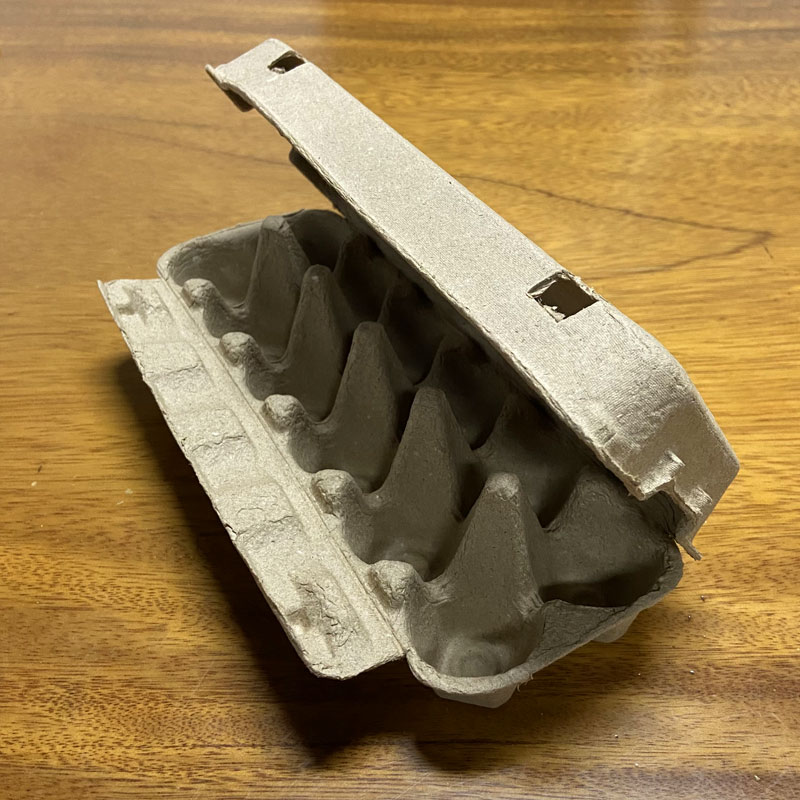
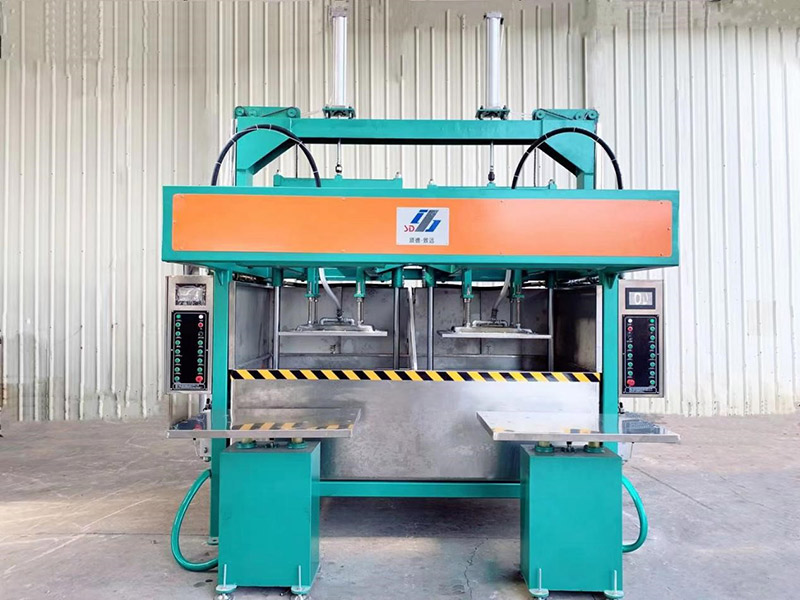
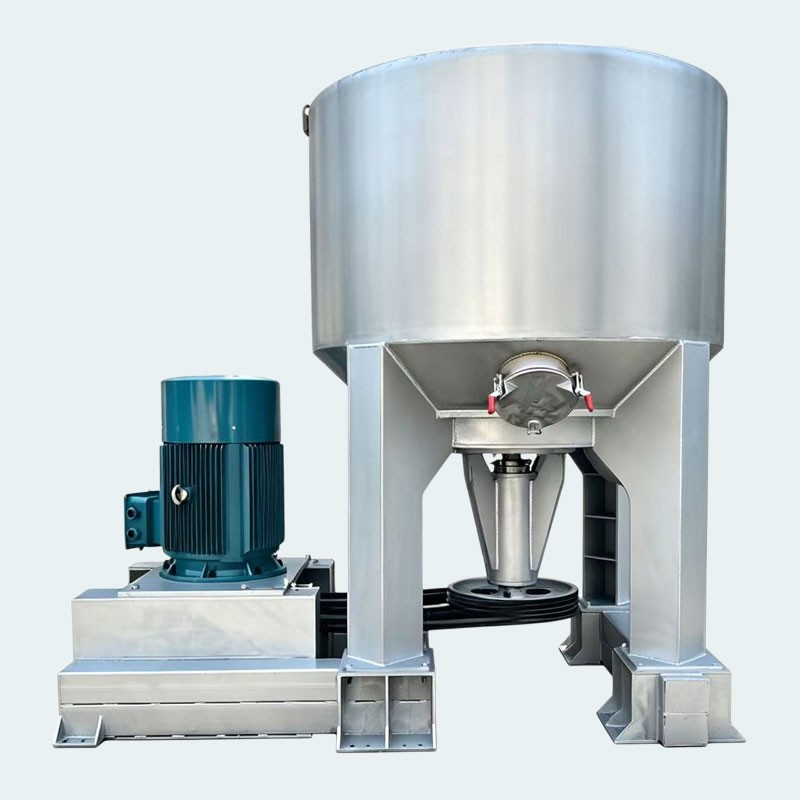
Foshan Shunde Zhiyuan Pulp Molding Equipment Co., Ltd. is uniquely qualified to supply premium molded pulp egg cartons for specialty and organic egg brands — because we are both a pulp product manufacturer and a pulp molding equipment manufacturer. This dual capability gives us advantages that pure product suppliers cannot match:
In-house mold design and CNC machining: We design and manufacture all egg carton molds in-house using precision CNC machining. This means we can produce custom cavity configurations, unique carton shapes, and embossed/debossed branding with full quality control — no outsourcing, no quality gaps, and faster lead times for custom orders.
Equipment-grade quality control: Because we build the machines that make pulp products, we understand the production process at a depth that pure product manufacturers cannot match. Our production lines are optimized for consistency, efficiency, and quality — producing cartons with uniform wall thickness, clean cavities, smooth edges, and low defect rates.
Full color and finish options: We offer both natural unbleached pulp (warm yellow/brown) and bleached white pulp, with custom color matching available for special orders. Our yellow egg trays are a popular choice for brands seeking an authentic, farm-fresh aesthetic.
Custom printing and branding: We offer flexographic and offset printing in up to multiple colors, plus embossing and debossing for premium tactile branding. Our design team can help you create carton artwork that maximizes brand impact and shelf appeal.
Scalable production capacity: Our integrated facility supports both small-batch custom orders and high-volume mass production — with capacity that scales as your brand grows. Whether you need 5,000 cartons for a product launch or 5,000,000 cartons per year for national distribution, we can deliver.
Export-proven quality and logistics: We supply customers across multiple continents with export-grade packaging, proper freight protection, complete documentation, and reliable shipping logistics. Our cartons are designed to withstand ocean freight conditions without damage or deformation.
Equipment + product bundle: For egg brands considering in-house carton production, we can supply both the custom cartons now and the pulp molding equipment for future vertical integration — with knowledge transfer, training, and ongoing support included.
Food safety and environmental compliance: Our products comply with major food contact safety regulations, and we maintain rigorous environmental standards in our production process — including water recycling and waste paper utilization.
Explore our complete product range to see our egg carton and molded pulp packaging capabilities, or contact our packaging specialists today for a free consultation. Send us your egg specifications, brand requirements, and volume needs, and we will provide custom carton design concepts, physical samples, and itemized quotations — no obligation. We also welcome farm and brand visits to our facility to see our production process and quality control in person.
Your specialty eggs deserve packaging that reflects their quality, your values, and your brand. Molded pulp egg cartons from Zhiyuan deliver that — with premium quality, sustainable materials, and custom branding that helps your eggs stand out on the shelf and resonate with the consumers who matter most.
 +86 189 2452 1063
 s-dzhiyuan@163.com
 18924521063


Online Message

Follow Us


Top
