


News

News
A pulp molding machine is the backbone of any egg tray or molded pulp packaging business — and like any industrial equipment, its performance, longevity, and profitability depend entirely on how well it is maintained. A well-maintained pulp molding machine can operate reliably for 10–15 years with minimal downtime, while a neglected machine may begin suffering frequent breakdowns, declining product quality, and rising operating costs within just 2–3 years. For businesses running two or three shifts per day, a single hour of unexpected downtime can cost hundreds or thousands of dollars in lost production — not to mention the risk of missing customer delivery deadlines. In this complete maintenance guide, we cover every aspect of pulp molding machine upkeep — daily routines, weekly inspections, monthly servicing, annual overhauls, common failure points, spare parts inventory, and maintenance scheduling — so you can maximize uptime, extend machine life, and protect your investment.
Many pulp molding operators fall into the reactive maintenance trap — fixing things only when they break. This approach is almost always more expensive in the long run:
Unplanned downtime: A failed vacuum pump seal or a broken forming drum bearing can stop production entirely, often at the worst possible time — during a large order or before a delivery deadline.
Cascading damage: A small issue left unaddressed (e.g., a worn bearing, a leaking seal, a misaligned mold) can cause secondary damage to more expensive components — turning a $50 repair into a $5,000 replacement.
Declining product quality: As components wear, product consistency declines — uneven wall thickness, incomplete forming, rough edges, higher defect rates — leading to customer complaints and wasted raw material.
Higher energy consumption: Worn vacuum pumps, leaking pneumatic systems, and poorly lubricated moving parts all increase energy consumption, raising operating costs by 10–30%.
Shorter machine life: A machine operated without proper maintenance may reach end-of-life in 5–7 years, compared to 10–15 years for a well-maintained machine — effectively doubling your capital cost per year of operation.
The solution is a structured preventive maintenance program that addresses issues before they cause failures. The investment in maintenance time and parts is typically recovered 5–10 times over through reduced downtime, lower repair costs, and longer machine life.
Daily maintenance is the foundation of equipment reliability. These tasks should be performed at the start or end of every shift by the machine operator, and recorded in a maintenance log:
Visual inspection: Walk around the machine and check for obvious issues — leaks (water, oil, air), unusual noises, loose bolts or fasteners, damaged wires or cables, and abnormal vibration.
Lubrication check: Verify that all lubrication points (bearings, chains, gears, guide rails) have adequate lubrication. Top up as needed using the manufacturer-specified grease or oil.
Pulp system check: Inspect the pulp tank for proper level and consistency. Check the pulp supply lines for clogs or blockages. Clean the pulp inlet screen if necessary.
Vacuum system check: Verify vacuum pump oil level and temperature. Check vacuum hoses and connections for leaks. Ensure the vacuum relief valve is functioning properly.
Pneumatic system check: Check air compressor pressure and drain water from the air tank. Inspect pneumatic hoses and fittings for leaks. Verify cylinder operation is smooth and consistent.
Hot press check: Verify hot press temperature is within the specified range. Check heating elements for even heating. Inspect press platens for residue buildup and clean if necessary.
Mold inspection: Inspect forming molds and hot press molds for damage, wear, or pulp buildup. Clean molds with a soft brush or water jet if pulp residue is accumulating.
Safety check: Verify all safety guards are in place, emergency stop buttons are functional, and warning indicators are operating normally.
Cleanup: Clean spilled pulp, water, and debris from around the machine. A clean work area makes it easier to spot leaks and other issues during the next inspection.
Weekly tasks go deeper than daily checks and should be performed by a trained maintenance technician:
Belt and chain inspection: Check all drive belts and chains for tension, wear, and alignment. Replace belts showing cracks, fraying, or glazing. Lubricate chains with appropriate chain lubricant.
Bearing inspection: Check all rotating bearings for excessive play, noise, or heat. Lubricate greaseable bearings per the manufacturer's schedule. Note any bearings showing early signs of failure for replacement during the next scheduled downtime.
Seal and gasket inspection: Inspect all water seals, oil seals, and pneumatic seals for leaks. Replace any seals showing signs of deterioration. Keep a stock of common seal sizes on hand.
Electrical system inspection: Check electrical connections for tightness and signs of overheating (discolored wires, burnt smell). Inspect contactors and relays for pitting or wear. Verify PLC and sensor operation.
Vacuum pump servicing: Change vacuum pump oil if due. Clean or replace the vacuum pump inlet filter. Check pump vanes or rotors for wear (if accessible).
Water system maintenance: Clean water filters and strainers. Check water pump operation. Inspect water lines for scale buildup or corrosion. Verify water recycling system is functioning properly.
Forming drum maintenance: Inspect the forming drum (or forming plate) for uniform vacuum distribution. Clean the drum screen if clogged. Check drum alignment and bearing condition.
Monthly tasks address components that require less frequent but more thorough attention:
Gearbox and reducer servicing: Check gearbox oil level and condition. Change oil if it appears contaminated or has exceeded the service interval (typically every 6–12 months). Check for oil leaks around seals and gaskets.
Motor inspection: Inspect all electric motors for proper operation, excessive heat, and unusual noise. Clean motor ventilation fins if dusty. Check motor mounting bolts for tightness. Verify motor current draw is within normal range.
Hot press deep maintenance: Inspect hot press heating elements (electric heating rods or steam coils) for proper operation. Check thermocouples and temperature controllers for accuracy. Inspect press insulation for damage. Verify press alignment and parallelism.
Pneumatic system deep service: Replace air filter elements. Check and adjust pressure regulator settings. Lubricate air tools and FRL units. Inspect air dryer operation (if equipped).
Control system check: Back up PLC program and parameters. Check HMI (touch screen) operation. Verify all sensors and proximity switches are functioning. Check cable trays and wiring for damage.
Structural inspection: Inspect the machine frame and structural weldments for cracks or deformation. Check all mounting bolts and anchor bolts for tightness. Verify machine is level and properly anchored.
Safety system audit: Test all safety interlocks, light curtains, and emergency stop systems. Verify safety signage is intact and legible. Check fire extinguishers and first aid supplies.
An annual overhaul is the most comprehensive maintenance event and should be scheduled during a planned production shutdown. This is the time to address major components that cannot be serviced during normal operation:
Complete machine disassembly and inspection: Disassemble major assemblies (forming drum, transfer mechanism, hot press) for thorough inspection of all internal components.
Bearing replacement: Replace all major bearings (forming drum bearings, main shaft bearings, gearbox bearings) regardless of apparent condition — bearing failure is a leading cause of catastrophic machine downtime.
Seal and gasket replacement: Replace all water seals, oil seals, and gaskets throughout the machine. This is the most cost-effective preventive measure — seals are inexpensive but their failure can cause expensive secondary damage.
Gearbox overhaul: Drain and flush gearboxes, inspect gears for wear, replace bearings and seals, and refill with fresh oil.
Vacuum pump overhaul: Complete disassembly, inspection, and rebuild of the vacuum pump — replace vanes/rotors, seals, bearings, and valves as needed.
Hot press refurbishment: Replace heating elements if degraded, resurface or replace press platens if worn or damaged, recalibrate temperature controllers, and replace insulation if compromised.
Mold refurbishment or replacement: Inspect all molds for wear and damage. Refurbish molds with minor wear (re-machining, re-coating). Replace molds with significant wear or damage.
Electrical system upgrade: Replace aging contactors, relays, and circuit breakers. Inspect and replace damaged wiring. Update PLC firmware if applicable. Verify grounding and bonding.
Performance testing and calibration: After reassembly, run the machine through a complete performance test — verify production speed, product quality, energy consumption, and all safety systems. Calibrate temperature, pressure, and vacuum sensors.
Predictive maintenance data collection: Record baseline vibration, temperature, and current draw data for all major components to use as a comparison for future condition monitoring.
Based on decades of pulp molding machine manufacturing and service experience, these are the most common failure points and their prevention strategies:
Vacuum pump failure: The vacuum pump is the heart of the forming system and one of the most frequently failed components. Prevention: regular oil changes, clean inlet filters, monitor operating temperature, and rebuild annually. Always keep a spare vacuum pump or rebuild kit on hand.
Forming drum bearing failure: The forming drum rotates continuously and operates in a wet, pulp-laden environment — bearings are prone to water contamination and premature failure. Prevention: use sealed bearings, regular greasing, annual replacement, and monitor for unusual noise or vibration.
Hot press heating element burnout: Heating elements degrade over time, leading to uneven heating and poor product quality. Prevention: monitor element current draw, inspect annually, keep spare elements on hand, and ensure proper voltage supply.
Pneumatic seal and cylinder leaks: Pneumatic cylinders operate thousands of cycles per day, and seals wear out. Prevention: use quality cylinders (SMC, Festo), maintain clean dry air, lubricate per schedule, and replace seals at the first sign of leakage.
Mold damage and wear: Molds are subject to constant pulp abrasion, thermal cycling, and mechanical stress. Prevention: clean molds regularly, handle carefully during changeover, use proper mold release if needed, and refurbish or replace before wear affects product quality.
Water system clogs and corrosion: The water-based pulp system is prone to pulp buildup, scale, and corrosion. Prevention: install and clean filters regularly, use water treatment if needed, inspect lines annually, and flush the system during annual overhaul.
Electrical connection failures: Vibration and thermal cycling can loosen electrical connections, leading to overheating and failure. Prevention: check connections during weekly maintenance, use proper torque on terminal blocks, and inspect contactors regularly.
Having the right spare parts on hand is the difference between a 30-minute repair and a 3-week production shutdown. At minimum, every pulp molding operation should maintain an inventory of:
Critical consumables: Water seals (all common sizes), oil seals, O-rings, gaskets, air filter elements, vacuum pump oil, gearbox oil, grease
Wear parts: V-belts (all sizes used on the machine), chain links, coupling elements, brush strips, mold release components
Electrical parts: Contactors, relays, fuses, circuit breakers, proximity switches, photoelectric sensors, thermocouples, heating elements, indicator lamps
Pneumatic parts: Solenoid valves, air filter-regulator-lubricator (FRL) units, pneumatic fittings, tubing, cylinder seals
Major components (at least one spare each): Vacuum pump (or complete rebuild kit), forming drum bearing set, main motor (if budget allows), PLC (programmed with your machine's parameters), HMI touch screen
Molds: At least one complete spare mold set for your primary product. A broken mold with no spare means complete production stoppage.
Work with your equipment supplier to establish a recommended spare parts list specific to your machine model. A reputable supplier like Zhiyuan can provide a detailed spare parts catalog with part numbers, descriptions, and recommended quantities — and can ship parts by express courier worldwide.
A maintenance program is only effective if it is consistently followed and properly documented. Best practices:
Maintenance logbook: Maintain a physical or digital logbook for every machine, recording all maintenance tasks, repairs, parts replacements, and performance observations. This log becomes invaluable for troubleshooting and for planning future maintenance.
Checklists: Create written checklists for daily, weekly, monthly, and annual maintenance tasks. Operators and technicians sign off on each task as completed. Checklists ensure nothing is overlooked.
Computerized Maintenance Management System (CMMS): For larger operations, consider a CMMS software to schedule maintenance, track work orders, manage spare parts inventory, and generate maintenance reports. Many affordable CMMS options are available for small and medium businesses.
Condition monitoring: For critical components, implement basic condition monitoring — regular vibration measurements, thermal imaging, and oil analysis. These techniques can detect developing failures before they cause downtime, allowing planned replacement during scheduled shutdowns.
Training: Ensure all operators and maintenance personnel are properly trained on the specific machine model. Training should cover daily maintenance, basic troubleshooting, safety procedures, and when to call for professional service. Refresher training should be conducted annually.
Annual maintenance plan: At the beginning of each year, create a detailed maintenance calendar showing scheduled weekly, monthly, and annual maintenance tasks, planned shutdowns for major servicing, and spare parts reorder points.
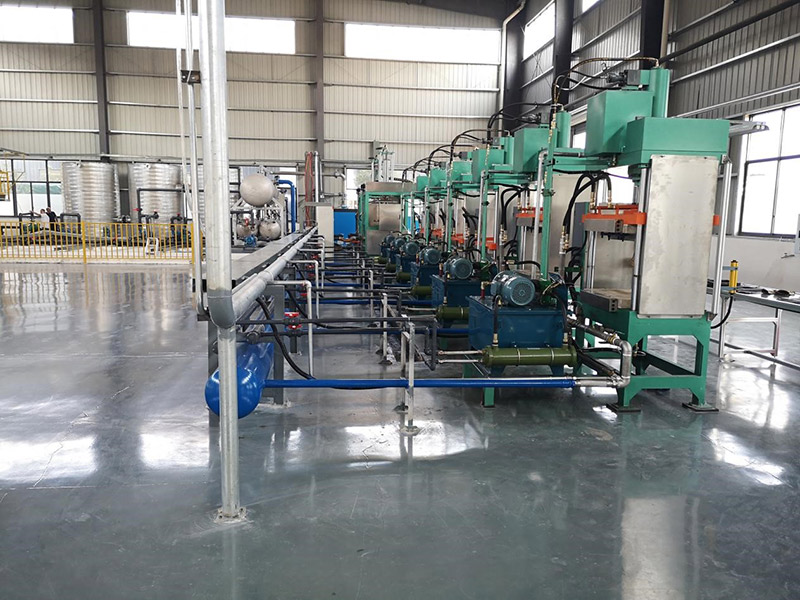
Foshan Shunde Zhiyuan Pulp Molding Equipment Co., Ltd. designs and manufactures pulp molding machines with maintainability as a core design principle — because we know that easy maintenance means lower operating cost and higher uptime for our customers. Our machines incorporate several maintenance-friendly design features:
Modular construction: Major assemblies (forming unit, transfer system, hot press, vacuum system, control cabinet) are designed as independent modules that can be accessed and serviced without complete machine disassembly.
Accessible maintenance points: Lubrication points, filters, drains, and inspection covers are positioned for easy access — no need to disassemble other components to perform routine maintenance.
Standard components: We use widely available, brand-name components (SMC pneumatics, Siemens/Mitsubishi electrical, NSK/SKF bearings) so spare parts can be sourced locally anywhere in the world — no proprietary parts that lock you into a single supplier.
Comprehensive documentation: Every machine ships with a detailed operation and maintenance manual, including maintenance schedules, lubrication charts, wiring diagrams, spare parts catalog with part numbers, and troubleshooting guides.
Remote diagnostic capability: Our control systems support remote access, allowing our technical team to diagnose issues, adjust parameters, and provide troubleshooting support without traveling to your facility — minimizing downtime.
Spare parts support: We maintain an extensive spare parts inventory and can ship critical parts by express courier worldwide, typically within 24–48 hours of order confirmation.
Technical support: Our experienced technical team is available for remote support, on-site service, and operator training. We stand behind our machines with comprehensive warranty and post-warranty support.
Explore our complete equipment range to see our pulp molding machine models, from entry-level semi-automatic machines to high-capacity fully automatic production lines. Whether you already own a Zhiyuan machine or are considering purchasing one, our team can provide a customized maintenance plan, spare parts recommendation, and operator training program tailored to your specific machine and production requirements.
Contact our technical support team today for maintenance guidance, spare parts ordering, or to schedule a service visit. Investing in proper maintenance is the single most effective way to protect your pulp molding machine investment — and we are here to help you do it right.

 +86 189 2452 1063
 s-dzhiyuan@163.com
 18924521063


Online Message

Follow Us


Top
