Setting up a turnkey pulp molding project — from initial concept to full production — is a significant investment that requires careful planning, the right equipment partner, and systematic execution. For entrepreneurs, packaging companies, and agricultural businesses looking to enter the molded pulp industry (egg trays, industrial packaging, tableware, or custom products), a well-executed turnkey project can deliver a profitable, sustainable manufacturing operation within 3–6 months. But a poorly planned project can lead to costly delays, equipment mismatches, installation problems, and production shortfalls that undermine profitability. In this complete guide, we walk you through every phase of a turnkey pulp molding project — from feasibility planning and site preparation through equipment selection, installation, training, and ongoing production — so you can launch your operation with confidence and avoid the costly mistakes that plague first-time project owners.
What Is a Turnkey Pulp Molding Project?
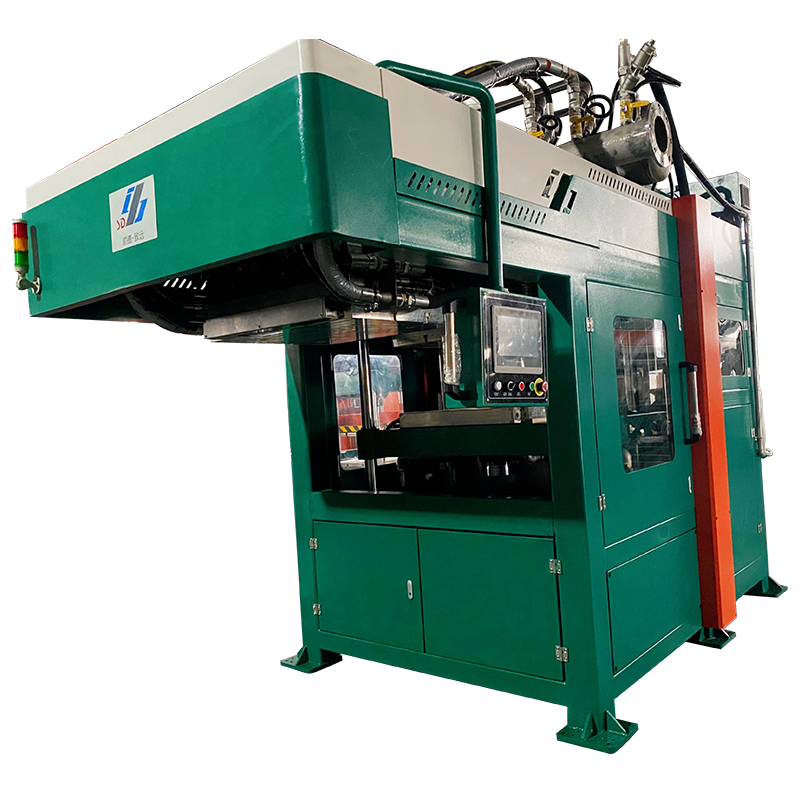
A turnkey pulp molding project is a complete, ready-to-operate manufacturing facility supplied by a single equipment manufacturer or project integrator. The supplier takes responsibility for the entire project scope — from equipment design and manufacturing through installation, commissioning, and operator training — delivering a facility that is "ready to turn the key" and start production. This contrasts with sourcing individual machines from multiple suppliers and assembling the line yourself, which requires significant technical expertise, project management capability, and coordination effort.
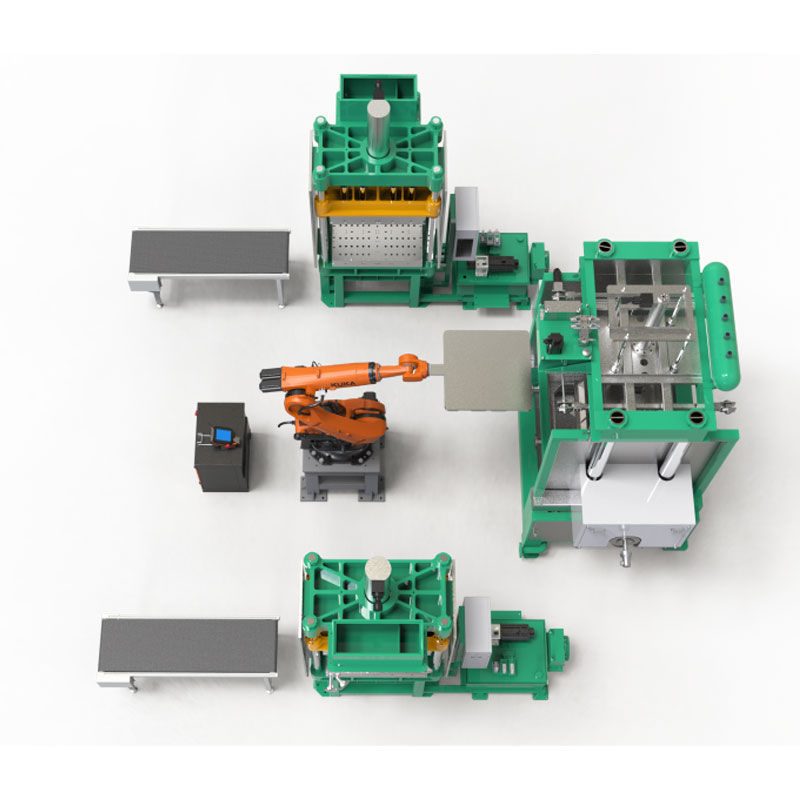
A typical turnkey pulp molding project includes:
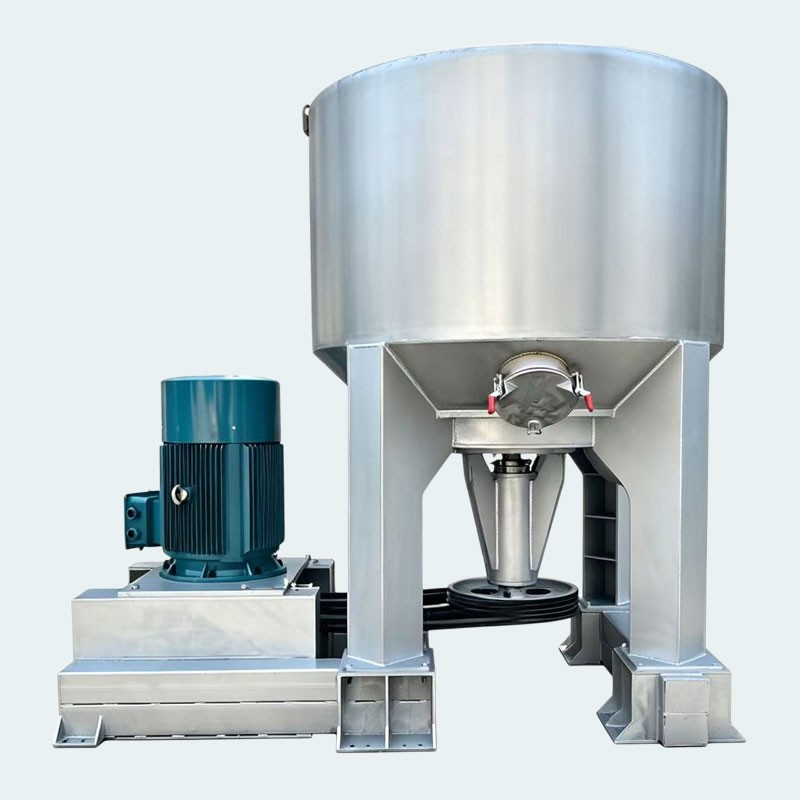
- Pulping system: Pulper/agitator, pulp storage tank, pulp supply pump, and consistency control
- Forming system: Forming machine (rotary drum or reciprocating plate), vacuum system, and forming molds
- Drying system: Hot press machine(s) with heating elements, temperature control, and transfer mechanism
- Trimming and finishing: Trimming machine, edge finishing, and quality inspection station
- Auxiliary systems: Water recycling system, air compressor, electrical control cabinet, and conveyor systems
- Molds and tooling: Production molds for your specific product(s), plus spare molds
- Installation and commissioning: On-site installation, mechanical and electrical connection, testing, and production tuning
- Training: Operator and maintenance technician training
- Documentation: Operation manuals, electrical diagrams, parts catalogs, and maintenance schedules
The advantage of a turnkey approach is single-source accountability: one supplier is responsible for the entire project's success, eliminating the finger-pointing that often occurs when multiple suppliers are involved. For first-time project owners or businesses without in-house pulp molding expertise, a turnkey project is almost always the lower-risk approach.
Phase 1: Project Planning and Feasibility
The planning phase is the most critical — and most often rushed — phase of any turnkey project. Rushing into equipment purchase without thorough planning leads to wrong machine selection, inadequate facility preparation, and budget overruns. Key planning activities:
- Define product and market: What product(s) will you manufacture (egg trays, egg cartons, industrial inserts, tableware, custom packaging)? What is your target market (local distribution, export, retail supply, industrial clients)? What is your projected sales volume and pricing? A clear market definition determines the required production capacity and machine configuration.
- Conduct feasibility study: Analyze raw material availability and cost (waste paper supply in your region), labor costs, energy costs (electricity/gas), estimated production cost per unit, projected revenue, and payback period. A realistic feasibility study will tell you whether the project is financially viable before you commit capital.
- Determine production capacity: Based on your market analysis, define your target daily or monthly production volume. This is the single most important specification — it determines machine size, number of hot presses, labor requirement, facility size, and total investment. Plan for 30–50% growth buffer, but avoid overbuying capacity you cannot fill.
- Establish budget: Define your total project budget, including equipment, shipping, customs, installation, facility preparation, initial raw material inventory, and working capital (2–3 months of operating expenses). A common mistake is budgeting only for the machine price and being caught short by the additional 30–50% in project costs.
- Research and select supplier: Identify and evaluate potential turnkey suppliers. Look for manufacturers with proven turnkey project experience, export track record, in-house equipment manufacturing (not just trading companies), and the ability to provide complete project support. Request references from completed turnkey projects and, if possible, visit the supplier's factory.
- Define project scope and timeline: Work with your selected supplier to define the complete project scope (what is included and what is not), and establish a realistic timeline from order placement to production start. A typical turnkey project timeline is 3–6 months: 1–2 months manufacturing, 1 month shipping, 2–4 weeks installation and commissioning.
Phase 2: Site Preparation and Facility Design
Once the project is planned and the supplier is selected, begin facility preparation — ideally in parallel with equipment manufacturing, to avoid delays when the equipment arrives. Key facility requirements:
- Floor space: A semi-automatic egg tray line requires 50–100 sqm; a fully automatic line requires 100–300+ sqm, including raw material storage, production area, finished goods warehousing, and maintenance access. Your supplier should provide a detailed facility layout drawing showing equipment placement, workflow, and required clearances.
- Concrete floor: A level, reinforced concrete floor (minimum 150mm thick, 250mm for large machines) capable of supporting the machine weight (2–15+ tonnes) and finished product stacks. The floor must be properly leveled — machine performance depends on a level foundation.
- Power supply: 380V/3-phase/50Hz (or your local standard), with capacity of 30–80kW for semi-automatic lines and 80–200kW for fully automatic lines. Install a dedicated distribution panel with proper circuit protection, and ensure the electrical supply is stable (voltage fluctuations can damage electrical components). Your supplier should provide a detailed electrical load list.
- Water supply and drainage: Clean water supply for pulp preparation (initial fill and makeup water), plus floor drains for process water and cleaning. The pulp system recycles water in a closed loop, so ongoing water consumption is modest after initial fill, but adequate supply and drainage are essential.
- Ventilation and heat management: Hot press drying generates significant heat. Install adequate ventilation (exhaust fans, roof vents) to remove hot, moist air from the production area. In hot climates, consider additional cooling for worker comfort and to protect electrical components. Insulate hot press surfaces and piping to reduce radiant heat.
- Raw material storage: Designate a covered, dry storage area for waste paper bales — protected from rain and moisture. Plan for 1–2 weeks of raw material inventory (approximately 10–30 tonnes for a typical operation).
- Finished goods warehousing: Allocate space for finished product storage — egg trays and pulp products are lightweight but bulky, requiring significant storage volume. Plan for 1–2 weeks of finished goods inventory.
- Loading and access: Ensure the facility has adequate access for delivery trucks and a forklift or crane for unloading the equipment. Doorways and loading docks must accommodate the equipment dimensions.
Work closely with your supplier during this phase — they should provide facility layout drawings, electrical specifications, foundation requirements, and utility connection details. A well-prepared facility ensures smooth, fast installation and avoids costly rework after the equipment arrives.
Phase 3: Equipment Selection and Line Configuration
Equipment selection is the heart of the turnkey project — and the decision that most determines long-term success. Work with your supplier to configure the optimal line for your product, capacity, and budget. Key equipment decisions:
- Forming machine type: Rotary drum forming machines (higher speed, continuous operation) or reciprocating plate forming machines (simpler, lower cost, easier mold change). For high-volume standard products (egg trays), rotary drum machines are preferred. For multi-product, lower-volume operations, reciprocating plate machines offer flexibility. Our one water and one heat automaton is a popular fully automatic configuration for egg tray production.
- Automation level: Semi-automatic (manual transfer, 4–6 workers/shift, lower cost) or fully automatic (automated transfer, 1–2 workers/shift, higher cost, higher consistency). For regions with high labor costs or high-volume production, fully automatic is the better long-term investment. For low-wage regions or startup operations, semi-automatic may be more cost-effective.
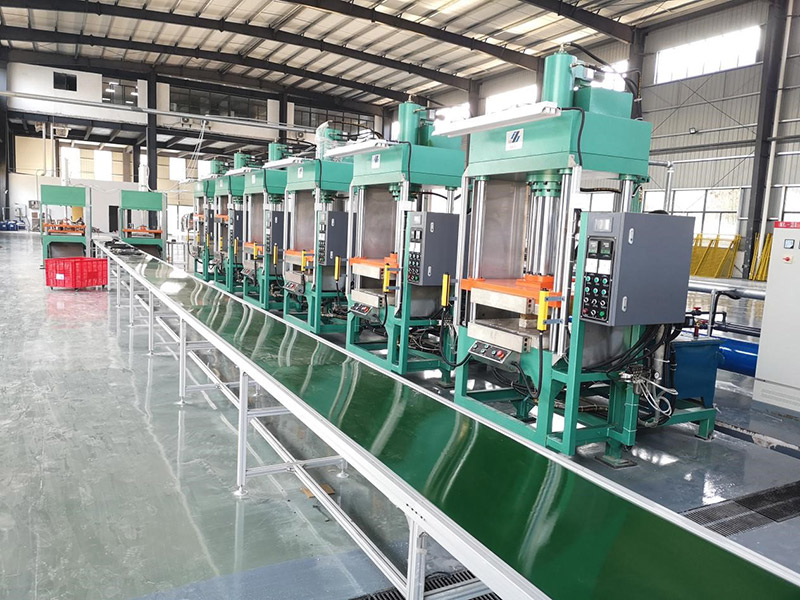
- Hot press configuration: Number of hot press stations, press size, heating type (electric or gas/steam), and temperature range. The hot press is the largest energy consumer and often the production bottleneck — ensure it is sized for your target output. For high-volume lines, multiple hot press stations may be needed. Our forming system can be configured with multiple hot presses for high-capacity production.
- Vacuum system: Vacuum pump capacity and type (water ring or oil-sealed). The vacuum system must be correctly sized for the forming area and production speed — undersized vacuum causes forming defects and reduced output.
- Pulping system: Pulper size and type (vertical or horizontal), pulp storage capacity, and consistency control. The pulping system must match the forming machine's pulp consumption rate.
- Molds: Production molds for your specific product(s), plus at least one spare mold set. Mold material (aluminum or stainless steel), cavity count, and design quality directly affect product quality and production yield. Confirm the supplier designs and manufactures molds in-house — this ensures quality, faster delivery, and easier modifications.
- Control system: PLC control with touch screen HMI, temperature controllers, vacuum gauges, and production counters. A modern control system improves consistency, reduces operator error, and enables remote troubleshooting.
- Optional equipment: Trimming machine, automatic stacking, conveyor systems, water recycling system, air compressor, and spare parts package. Evaluate each option based on your specific needs and budget.
Your supplier should provide a detailed line configuration with equipment specifications, component brands, production capacity, power requirements, dimensions, and itemized pricing. Review this carefully and ask questions — do not accept vague or incomplete specifications.
Phase 4: Procurement, Manufacturing, and Shipping
Once the configuration is finalized and the contract is signed, the project moves into procurement and manufacturing:
- Contract and payment: Sign a detailed sales contract specifying all equipment, configurations, prices, delivery terms, payment terms, warranty, and penalties. Standard payment terms are 30% deposit (T/T) and 70% balance before shipment. For larger projects, consider Letter of Credit (L/C) for additional security. Never pay 100% upfront, and always pay to the supplier's company bank account (never personal accounts).
- Manufacturing: The supplier begins manufacturing your equipment. Stay in regular contact (every 1–2 weeks) and request photo/video updates of production progress. A reputable supplier will provide regular updates without being asked. If the supplier goes silent or refuses to provide updates, this is a red flag.
- Pre-shipment inspection: Before the equipment is packed and shipped, arrange a pre-shipment inspection. Options include: (1) supplier factory acceptance test (FAT) — the supplier runs the machine and provides video documentation; (2) third-party inspection (SGS, BV, TUV) — an independent inspector verifies specifications and workmanship; (3) your own visit to witness the test. For high-value projects, a third-party inspection or personal visit is strongly recommended.
- Balance payment: After inspection is passed, pay the balance payment. Confirm the bank account details match the contract — payment fraud (fake bank account changes) is a known risk in international trade. Always verify payment details through a second communication channel (phone call, not just email).
- Packing and shipping: The equipment is packed for export (fumigated wooden crates or containers with moisture protection) and shipped to your nearest port. Confirm shipping terms (FOB or CIF), shipping line, estimated transit time, and tracking details. Track the shipment regularly.
- Customs clearance: Arrange customs clearance through a licensed broker in your country. Prepare all required documents (bill of lading, commercial invoice, packing list, certificate of origin, CE declaration if applicable). Budget for import duties, VAT, customs broker fees, and port handling — typically 10–25% of equipment value.
Phase 5: Installation and Commissioning
When the equipment arrives, the installation and commissioning phase begins. This phase is critical — proper installation ensures optimal performance, while rushed or improper installation leads to ongoing problems.
- Unloading and positioning: Unload the equipment carefully using a forklift or crane (following the supplier's lifting instructions). Position each machine on the prepared foundation according to the facility layout drawing. Level each machine precisely using a spirit level and adjustable feet.
- Mechanical assembly: Assemble any components shipped disassembled. Connect all mechanical links, belts, chains, couplings, and drives. Verify alignment of all rotating components — misalignment causes vibration, premature wear, and energy waste.
- Electrical connection: Connect main power to the control cabinet, wire all motors, sensors, heaters, and control components according to the electrical diagrams. Verify voltage and phase match the equipment requirements. Perform insulation resistance tests before energizing.
- Pneumatic and water connection: Connect compressed air supply, pneumatic hoses, water supply, and drainage lines. Check for leaks and verify pressure settings.
- System testing: Test each system individually — main motor, vacuum pump, hot press heating, pneumatic cylinders, control system, safety interlocks. Verify all functions operate correctly before running production.
- Production commissioning: Run the complete production process with actual pulp and product. Adjust parameters (pulp consistency, vacuum level, press temperature, press time, forming speed) to achieve optimal product quality and output. This tuning process typically takes 2–5 days and requires the supplier's experienced technician.
- Performance verification: After tuning, verify the machine achieves the contracted production capacity and product quality. Run a sustained production test (8–24 hours) and measure output, defect rate, and energy consumption. Document the results as the baseline for future performance comparison.
- Installation technician support: Your supplier should send an experienced technician to supervise installation and commissioning. Clarify in advance who pays for travel (flights, visa, accommodation, meals) and how many days are included. Prepare local helpers and translators if needed to make the installation efficient. A typical installation takes 5–15 days depending on line complexity.
Phase 6: Operator Training and Production Ramp-Up
Installation is complete, but the project is not finished until your team is trained and production is running smoothly.
- Operator training: Train your operators on: machine startup and shutdown procedures, normal operation and parameter adjustment, routine maintenance (daily/weekly tasks), basic troubleshooting (common faults and solutions), safety procedures, and quality inspection. Training should be hands-on — operators should actually run the machine under the technician's supervision. Document all training and provide written operation manuals in your language.
- Maintenance technician training: Train your maintenance technician on: preventive maintenance schedules, lubrication points and specifications, spare parts identification and replacement, electrical troubleshooting, vacuum pump maintenance, and bearing replacement. A well-trained maintenance technician is your best investment in long-term uptime.
- Production ramp-up: Start production at reduced speed (60–70% of maximum) to allow operators to gain experience and identify issues. Gradually increase speed over 2–4 weeks as operators become proficient and any initial issues are resolved. Do not push the machine to maximum speed immediately — this causes defects, excessive wear, and operator frustration.
- Quality control system: Establish a quality control process — inspect products at regular intervals, measure defect rates, and document quality standards. Train operators to recognize and address quality issues before they become customer complaints.
- Spare parts inventory: Establish an initial spare parts inventory based on the supplier's recommendations (seals, belts, filters, common electrical parts, bearings). Set up a reorder system to ensure critical parts are always in stock.
- Ongoing support: Maintain regular contact with your supplier after commissioning. Most suppliers offer a warranty period (typically 12 months) and post-warranty support (spare parts, remote troubleshooting, technical consultation). Save your supplier's technical support contact information and use it when issues arise — do not attempt complex repairs without guidance.
Phase 7: Ongoing Support and Continuous Improvement
A turnkey project does not end at commissioning — successful operations require ongoing support and continuous improvement:
- Performance monitoring: Track key performance indicators (KPIs) — daily output, defect rate, energy consumption per unit, downtime hours, maintenance costs. Compare against the commissioning baseline and industry benchmarks to identify improvement opportunities.
- Preventive maintenance program: Implement a structured preventive maintenance program based on the supplier's maintenance manual — daily, weekly, monthly, and annual tasks. Assign responsibility, maintain a maintenance log, and ensure tasks are completed consistently. Preventive maintenance is the single most effective way to maximize uptime and extend machine life.
- Continuous optimization: Regularly review and optimize production parameters, energy consumption, and product quality. Small, incremental improvements (reducing press temperature by 5°C, optimizing vacuum level, adjusting pulp consistency) can add up to significant cost savings over time.
- Capacity expansion planning: As your business grows, plan for capacity expansion — adding hot press stations, upgrading to a larger forming machine, or adding a second production line. Work with your supplier to plan expansions that leverage your existing equipment and facility.
- New product development: If you want to add new products (different tray sizes, custom packaging, tableware), work with your supplier to design and manufacture new molds. A supplier with in-house mold manufacturing can support new product development quickly and cost-effectively.
Key Considerations for Turnkey Project Success
- Choose the right supplier: This is the most important decision. Look for a supplier with: proven turnkey project experience (ask for references and visit completed projects if possible), in-house equipment manufacturing (not a trading company), complete product range (forming, hot press, pulper, molds), export experience with customers in your region, English-speaking technical support, and transparent pricing and terms.
- Don't choose based on price alone: The cheapest quotation often means corner-cutting on quality, components, or support. A machine that costs 10% more but uses branded components, provides better support, and lasts 15 years is far cheaper than a "bargain" machine that breaks down constantly and needs replacement in 5 years. Evaluate total cost of ownership, not just purchase price.
- Prepare your facility before equipment arrives: Delayed facility preparation is the #1 cause of installation delays and cost overruns. Have your foundation, power, water, and ventilation ready before the equipment ships. A well-prepared facility means fast, smooth installation and lower technician travel costs.
- Invest in training: New operators who are not properly trained will misuse the machine, produce defective products, and cause damage. Take full advantage of the supplier's on-site training period, and document everything. Consider sending a key operator to the supplier's factory for additional training before installation.
- Maintain spare parts inventory: A broken seal or bearing with no spare means production stoppage. Establish an initial spare parts inventory based on the supplier's recommendations, and set up a reorder system. The cost of spare parts inventory is far less than the cost of downtime.
- Communicate regularly with your supplier: Maintain regular contact throughout the project — during planning, manufacturing, installation, and ongoing production. A good supplier wants your project to succeed and will provide ongoing support. Do not wait until a problem becomes critical before contacting your supplier.
- Plan for the long term: A pulp molding machine is a 10–15 year investment. Plan for capacity expansion, new product development, and technology upgrades from the beginning. Choose a supplier that can grow with your business — offering equipment upgrades, new molds, and ongoing support for years to come.
Why Zhiyuan Is Your Turnkey Pulp Molding Project Partner
Foshan Shunde Zhiyuan Pulp Molding Equipment Co., Ltd. is a leading turnkey pulp molding project supplier with over 20 years of experience and a 38-acre integrated manufacturing facility in Shunde, China. We have delivered complete turnkey projects to customers across Southeast Asia, the Middle East, Africa, Europe, and the Americas — and we understand what it takes to make a project successful from planning through production. What sets us apart for turnkey projects:
- Complete in-house manufacturing: From steel fabrication and CNC machining to electrical panel assembly, mold manufacturing, and machine assembly — everything is under one roof. This ensures quality control, faster delivery, easier customization, and single-source accountability. We are not a trading company — we are a real factory.
- Complete equipment range: We supply every component of a pulp molding production line — forming machines (rotary drum and reciprocating plate), hot presses (arched pneumatic, four-column, integrated), pulpers, vacuum systems, trimming machines, and molds. Our complete equipment range covers everything from entry-level semi-automatic lines to high-capacity fully automatic turnkey systems.
- Proven turnkey experience: We have delivered complete turnkey projects worldwide, with references available on request. Our export-experienced team handles every aspect — facility layout, equipment configuration, manufacturing, shipping, installation, training, and ongoing support.
- Facility planning support: We provide detailed facility layout drawings, electrical specifications, foundation requirements, and utility connection details — helping you prepare your facility correctly and avoid costly rework.
- Expert installation and training: Our experienced installation technicians have supervised hundreds of installations worldwide. They provide thorough, hands-on operator and maintenance training, and stay on-site until your team is confident and production is running smoothly.
- English-speaking technical support: Our export team communicates fluently in English, with engineers available for remote troubleshooting, video support, and detailed technical documentation. We do not rely on language-challenged salespeople as your only point of contact.
- Transparent pricing and terms: Itemized quotations with no hidden costs, clear scope of supply, firm delivery dates, and standard warranty terms. What you see is what you get — no surprises.
- Product manufacturing experience: Because we also run our own pulp product factory, our machines are designed based on real production experience — we know what works on the factory floor because we use it every day. This translates to better machine design, more practical training, and more reliable production performance.
- Ongoing support and growth: We support our customers long after commissioning — with spare parts, remote troubleshooting, capacity expansion planning, new mold development, and technology upgrades. We view our customers as long-term partners, not one-time transactions.
Whether you are planning your first pulp molding project or expanding an existing operation, our team can guide you through every phase — from initial feasibility consultation and facility planning through equipment configuration, installation, training, and ongoing production support.
Ready to start your turnkey pulp molding project? Contact our project team today with your product requirements, target capacity, facility details, and budget. We will provide a detailed feasibility assessment, recommended line configuration, itemized quotation, facility layout, project timeline, and total investment estimate — all free of charge, with no obligation. We also welcome factory visits to our Shunde facility, where you can see our machines running, meet our engineers, and experience the Zhiyuan difference firsthand. A successful turnkey pulp molding project starts with the right partner — and Zhiyuan is ready to be yours.





 +86 189 2452 1063
 s-dzhiyuan@163.com
 18924521063