


News

News
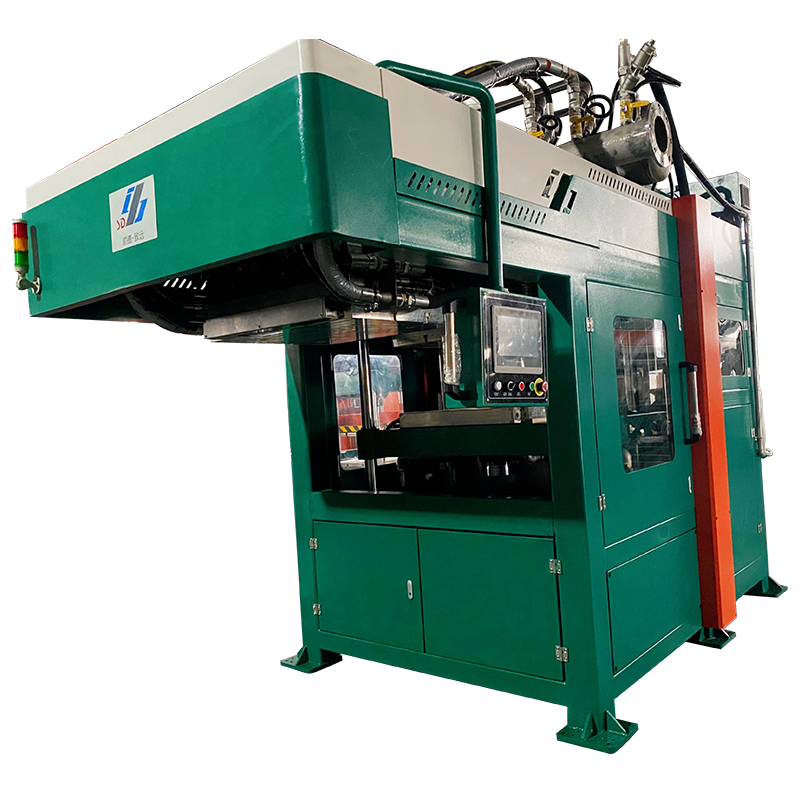
Behind every consistent, high-quality molded pulp product — from egg trays and fruit trays to industrial protective packaging — there are two pieces of equipment that often go overlooked: the hot press and the trimming machine. While the forming machine shapes the wet pulp into its basic geometry, it is the hot press and the trimming station that determine the final dimensional accuracy, surface smoothness, stacking stability and finished edge quality of every single piece. For buyers sourcing a molded pulp production line, understanding exactly what these machines do, and how they interact with the forming system, is essential to specifying the right equipment and avoiding costly mismatches. This guide breaks down the role of hot press and trimming machines in molded pulp production, what to look for when purchasing them, and how a properly configured combination machine can lift both your output quality and your operating efficiency.
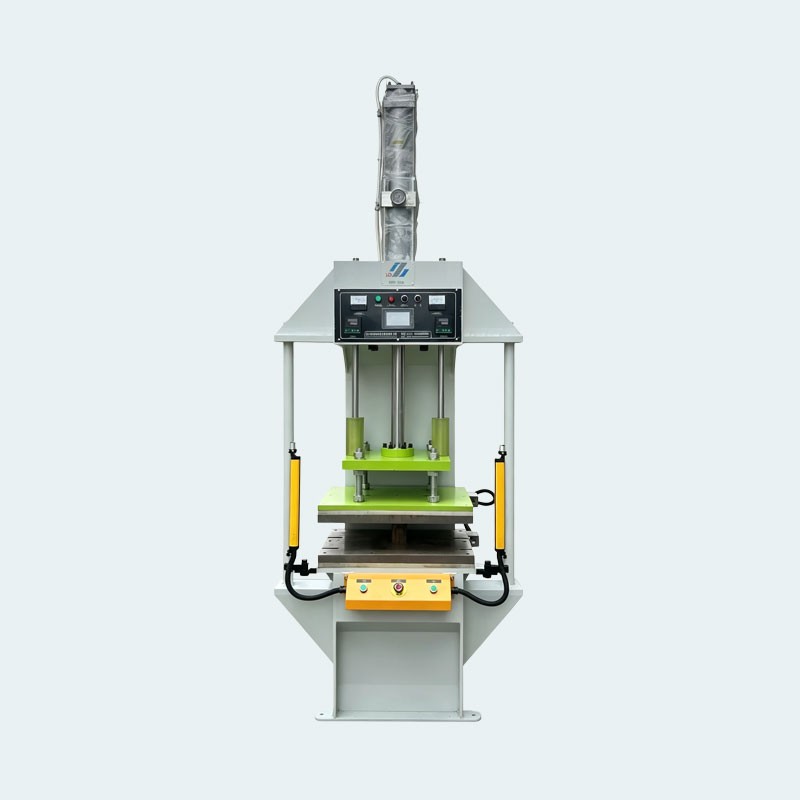
The pulp that leaves the forming screen is still wet — typically holding 55% to 65% moisture — and its surface is loose, porous and dimensionally unstable. The hot press closes this gap in two critical ways.
By applying heat through heated platens while the product sits under pressure, the hot press drives out residual moisture and locks the fibre structure into a rigid, stable form. The combination of heat and pressure produces a product with far lower moisture content than air-dried pulp, which directly improves its stacking strength, its ability to hold shape under load, and its resistance to mould growth during storage and transit.
Because the heated platens press the surface while the fibres are still slightly flexible, the hot press flattens surface irregularities and refines the dimensional tolerances of the finished piece. For products like electronic packaging inserts, fruit trays and tableware that require tight fit and a clean finish, this surface quality is what makes wet-pressed products feel premium and perform reliably.
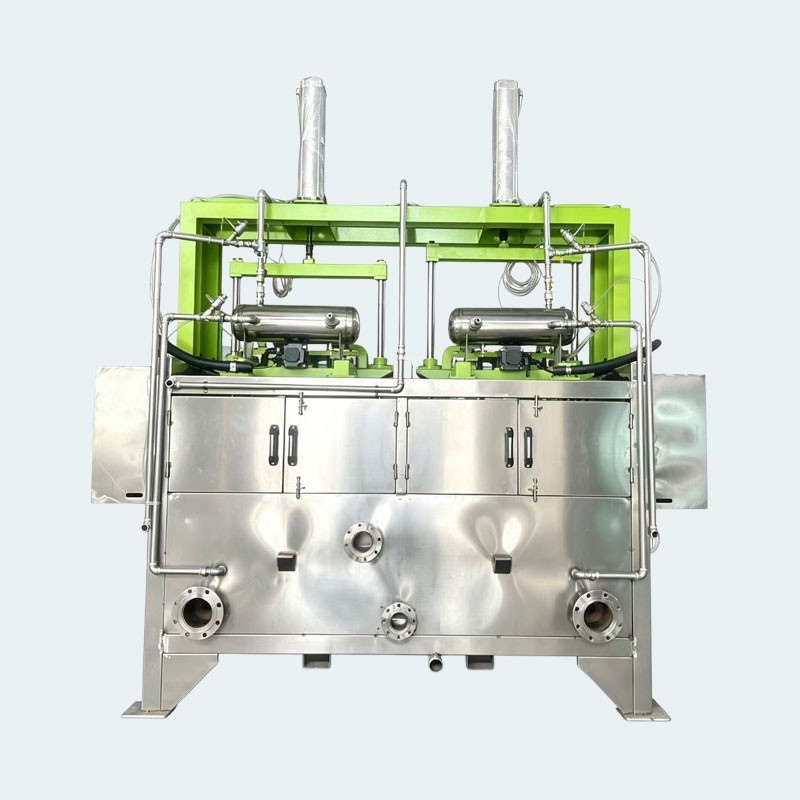
Molded pulp products are formed with a flange or excess material around their edges, which helps the piece separate cleanly from the forming mould. The trimming machine removes this excess edge with precision, producing the smooth, finished contour that buyers expect. High-quality trimming is particularly important for products with complex outlines — such as egg trays, cup trays and custom industrial packaging — where an uneven edge looks unprofessional and can interfere with stacking or automated filling lines.
A clean, consistent trim improves the perceived quality of every product, reduces the risk of damage during packing, and makes the pieces stack more reliably in automated processes. When buyers compare suppliers, edge finish is one of the first visual signals they use to judge manufacturing competence — so the trimming station is a direct investment in your product's marketability.
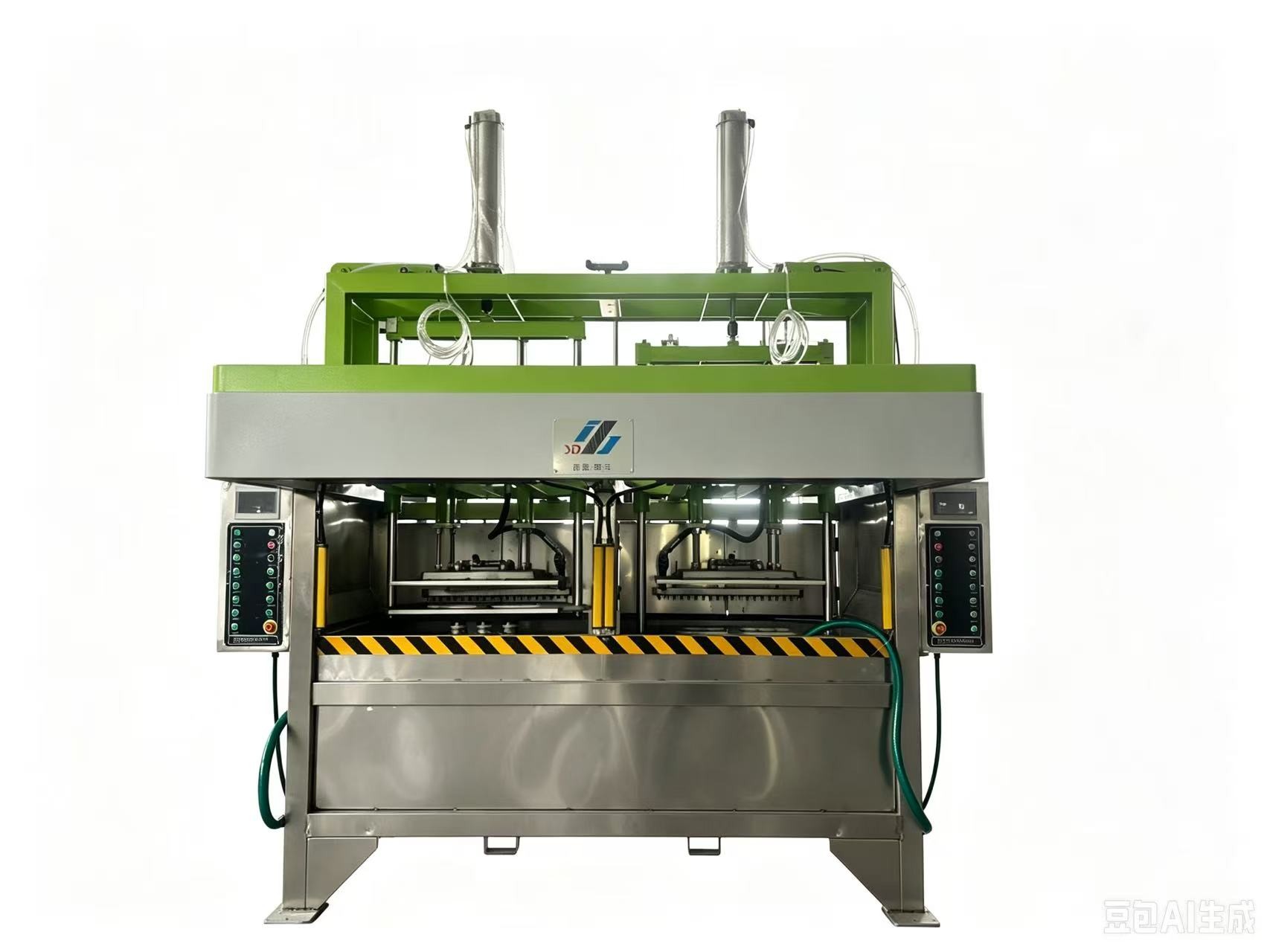
In a well-configured molded pulp production line, the three stations work as one continuous system. The forming machine shapes the wet piece; the hot press sizes and dries it; the trimming machine finishes the edge. Choosing equipment that is matched in capacity is critical — a forming machine with a high output rate will quickly become a bottleneck if the hot press or trimmer cannot keep up, and vice versa.
Some suppliers offer integrated wet-pressing and hot-pressing combination machines that pass the formed product directly between stations, reducing labour and handling while improving consistency. Others supply separate hot press and trimming units that you integrate into your own layout. The right choice depends on your product range, your target volumes and your plant space. For buyers who want to scale gradually, starting with a reliable forming system and adding matched hot press and trimming equipment as volumes grow is a practical path. For those launching a full operation from day one, a coordinated production line is usually the better investment.
Platen size and pressure uniformity: The hot press platen must be large enough to accommodate your largest product, and pressure must be applied evenly across the whole surface to avoid warping or inconsistent drying.
Heating capacity and cycle time: Faster heating and shorter cycle times directly increase throughput, but they must be balanced against energy cost — look for equipment that heats efficiently and retains heat well.
Trim precision and tooling flexibility: Trimming machines should deliver repeatable, accurate cuts, and ideally accept different trim tools so you can switch between product lines quickly.
Compatibility with your forming system: Confirm that the hot press and trimmer are sized and configured to match the output of your forming machine, whether it is a dual-cylinder dual-station molding machine, a single-cylinder single-station molding machine or a fully automatic wet-press line.
After-sales support: Choose a supplier that provides installation guidance, training and responsive spare-part support, because equipment reliability is what protects your daily output.
When sourcing hot press and trimming equipment for molded pulp production, work with a manufacturer that understands the complete production line — not just a single machine. The best partners help you match forming, hot pressing and trimming capacity so your line runs smoothly from the start. Contact our team to discuss a hot press and trimming setup matched to your forming equipment, or review our full range of molded pulp production equipment to plan your line. From arched pneumatic hot presses to complete forming systems, we build equipment designed for consistent, high-quality molded pulp output.
Investing in the right hot press and trimming machines is one of the most effective ways to raise product quality, reduce waste and keep your molded pulp operation competitive — and it starts with specifying the equipment that fits your production goals.

 +86 189 2452 1063
 s-dzhiyuan@163.com
 18924521063


Online Message

Follow Us


Top
